

Private Urinary Leakage Treatment Options
A lot of people put up with bladder leakage for far longer than they need to. They plan their day around toilet access, wear pads just in case, avoid exercise, and hope it will settle on its own. If you are looking into private urinary leakage treatment options, the first thing to know is that leakage is common and worth assessing, with treatment options depending on the underlying cause.
For some people, it starts after pregnancy. For others, it appears around menopause, after prostate treatment, or simply with age and pelvic floor weakness. Whatever the cause, the right treatment depends on what type of leakage you have, how often it happens, and how much it is affecting your confidence, sleep, work, and intimacy.
Why treatment should be tailored
Urinary leakage is not one single condition. Stress incontinence happens when pressure on the bladder causes leaks, such as during coughing, laughing, sneezing, lifting, or exercise. Urge incontinence is different. It is the sudden need to rush to the toilet, often with leakage before you get there. Some people have mixed incontinence, which combines both.
That matters because treatment that helps one person may not suit another. A pad can help you manage symptoms, but it does not treat the cause. Pelvic floor exercises can be effective, but some people may perform them incorrectly or may need additional guidance to use them effectively. Medication may help certain bladder symptoms, but not everyone wants ongoing tablets or the side effects that can come with them.
Private care can provide access to assessment and treatment in a consultation-led setting. It also allows for a more discreet, consultation-led approach when the issue feels difficult to discuss.
Private urinary leakage treatment options explained
When people search for private urinary leakage treatment options, they are usually looking for something practical. They want to know what works, how invasive it is, and whether it can fit into ordinary life. The most suitable options usually fall into a few broad categories.
Pelvic floor physiotherapy
Pelvic floor physiotherapy is often a sensible starting point, particularly for mild to moderate symptoms. A trained clinician assesses how your pelvic floor is functioning and guides you through a structured strengthening plan. This provides individualised assessment and guidance on pelvic floor training.
The benefit is that treatment is individualised. The limitation is that progress depends on technique, consistency, and time. Some patients improve well with supervised therapy, while others find their muscles are too weak, poorly coordinated, or difficult to engage effectively.
Bladder training and behavioural treatment
For urgency and frequency, bladder retraining can help reduce the pattern of going too often and improve control over bladder signals. This may be combined with advice around fluid intake, caffeine, alcohol, bowel habits, and weight management.
This approach is low risk and often worthwhile, but it may form part of a broader plan rather than as a stand-alone fix for more significant leakage.
Medication
Medication is mainly used for overactive bladder symptoms such as urgency, frequency, and urge incontinence. For the right patient, it can reduce bladder overactivity and cut down episodes of leakage.
The trade-off is that medication does not strengthen the pelvic floor. Some people also prefer to avoid dry mouth, constipation, blurred vision, or other side effects. It can be useful, but it is not suitable or preferred for everyone.
Procedure-based and surgical options
In more severe cases, specialist procedures or surgery may be considered. These can include injections, slings, or other interventions depending on the cause of leakage and the patient’s anatomy and medical history.
Surgery can be effective, but it is not a first step for everyone. It involves downtime, procedural risk, and careful patient selection. Many people who want symptom improvement are actually looking for something non-surgical first.
A non-surgical option for pelvic floor weakness
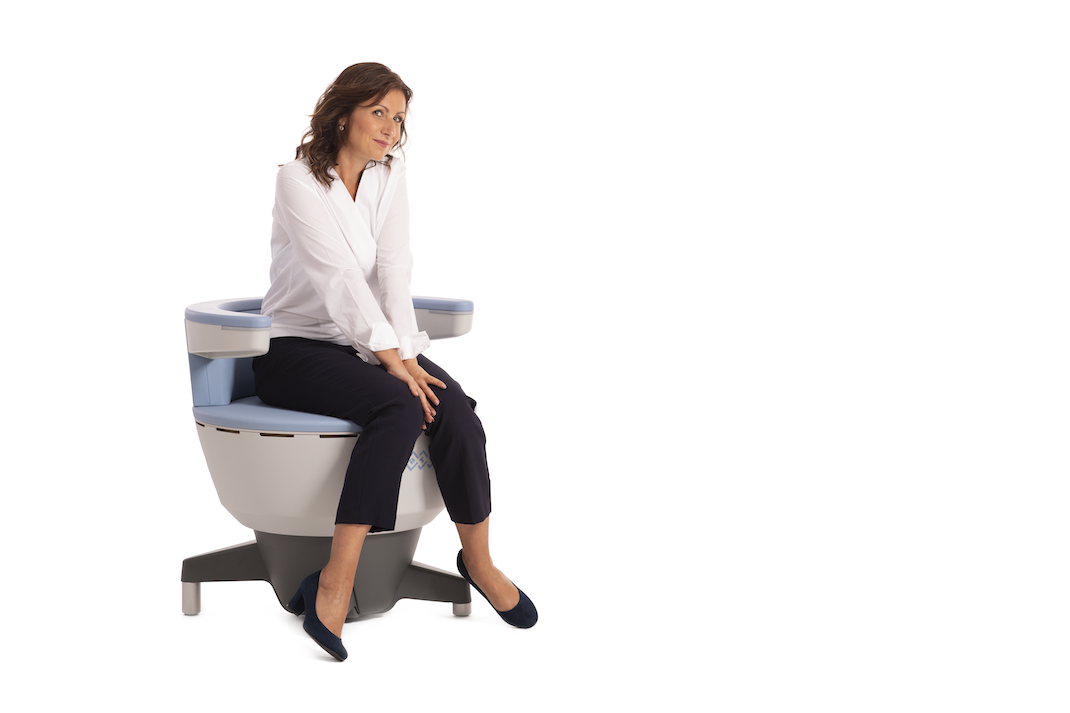
One of the most relevant private urinary leakage treatment options for suitable patients is high-intensity electromagnetic pelvic floor treatment, commonly delivered using the. This treatment is designed to stimulate deep pelvic floor contractions through repeated high-intensity stimulation in a controlled clinical setting. EMSELLA chair
In simple terms, the device causes thousands of supramaximal pelvic floor muscle contractions in one session while the patient remains fully clothed and seated. There are no internal devices, no needles, and no recovery period. For patients who have struggled with unsupervised exercises or want a device-based treatment without surgery, that convenience matters.
This approach can be particularly useful for stress incontinence, mixed incontinence, pelvic floor weakness after childbirth, menopausal pelvic floor changes, and some prostate-related bladder control problems in men. It may also support intimate wellness by improving pelvic floor function, which can influence vaginal tone and aspects of sexual function.
Why patients choose consultation-led device treatment
The value is not just in the chair itself. It is in proper screening and clinical oversight. Not everyone with leakage is the right fit for every treatment, and not every leak is due to simple. A helps identify whether pelvic floor stimulation may be appropriate for the symptoms or whether further investigation is needed. pelvic floor weakness doctor-led consultation
That is especially important if leakage is new, worsening, associated with pain, blood in the urine, recurrent infections, pelvic prolapse symptoms, or significant voiding difficulty. These are situations where assessment should come before any treatment plan.
A consultation-led model also helps manage expectations. The timing and degree of response vary between individuals. Additional or maintenance treatment may be considered after clinical review. Results depend on severity, the type of incontinence, overall pelvic floor condition, age, hormones, previous childbirth or surgery, and whether lifestyle factors are also addressed.
Who may find private urinary leakage treatment relevant
People often assume leakage is just part of getting older or part of having children. It may be common, but it should not be dismissed. Treatment can be worth considering if leakage is affecting daily activity, sleep, exercise, travel, social confidence, work, or intimacy.
Women after childbirth commonly experience reduced pelvic floor strength, especially when returning to exercise or managing repeated lifting. Around menopause, changes in tissue support and muscle function can make leaks more obvious. Men may develop bladder control issues after prostate surgery or alongside broader pelvic floor weakness.
Private treatment may suit those who want discretion, those who have already tried standard exercises without much success, and those who want to avoid medication or surgery if possible. In a setting such as Advance Medical Therapies in South Yarra, the focus is on medically guided care rather than a generic wellness service, which provides a medically guided setting for patients considering treatment.
What to ask before starting treatment
If you are comparing private urinary leakage treatment options, ask what type of incontinence is being treated, whether you will be assessed before treatment, how success is measured, and what happens if your symptoms suggest a different underlying issue. It is also reasonable to ask how many sessions are usually recommended and whether maintenance may be needed.
Good care is not about promising the same result to every patient. It is about choosing an option that matches your symptoms, medical history, and goals. For some, that means physiotherapy. For others, it means medication, specialist referral, or a non-invasive pelvic floor treatment plan. Some patients may benefit from a combination of approaches rather than one treatment alone.
Private urinary leakage treatment options and long-term results
The goal is not simply fewer accidents. It is better control, more confidence, and less mental load. Being able to walk, laugh, exercise, sleep through the night, or leave the house without planning around toilets can have a genuine effect on quality of life.
Long-term management should consider the underlying mechanism as well as the symptom. If weak pelvic floor muscles are part of the problem, strengthening them matters. If bladder irritation, weight gain, chronic constipation, menopause, or post-surgical changes are involved, those factors should be considered too.
There is no prize for putting up with leakage in silence. Treatment should be properly assessed, realistically matched to your condition, and practical enough that you will actually follow through with it. A private, clinically guided approach may be appropriate for people seeking this type of assessment and treatment.
Ready to take the next step?
Contact our team to arrange your Emsella consultation and discuss your symptoms, goals, and whether Emsella may be appropriate for you.
Located in Melbourne
(03) 8529 2225 | Contact Us
