

Pelvic Floor Device Review: What Matters
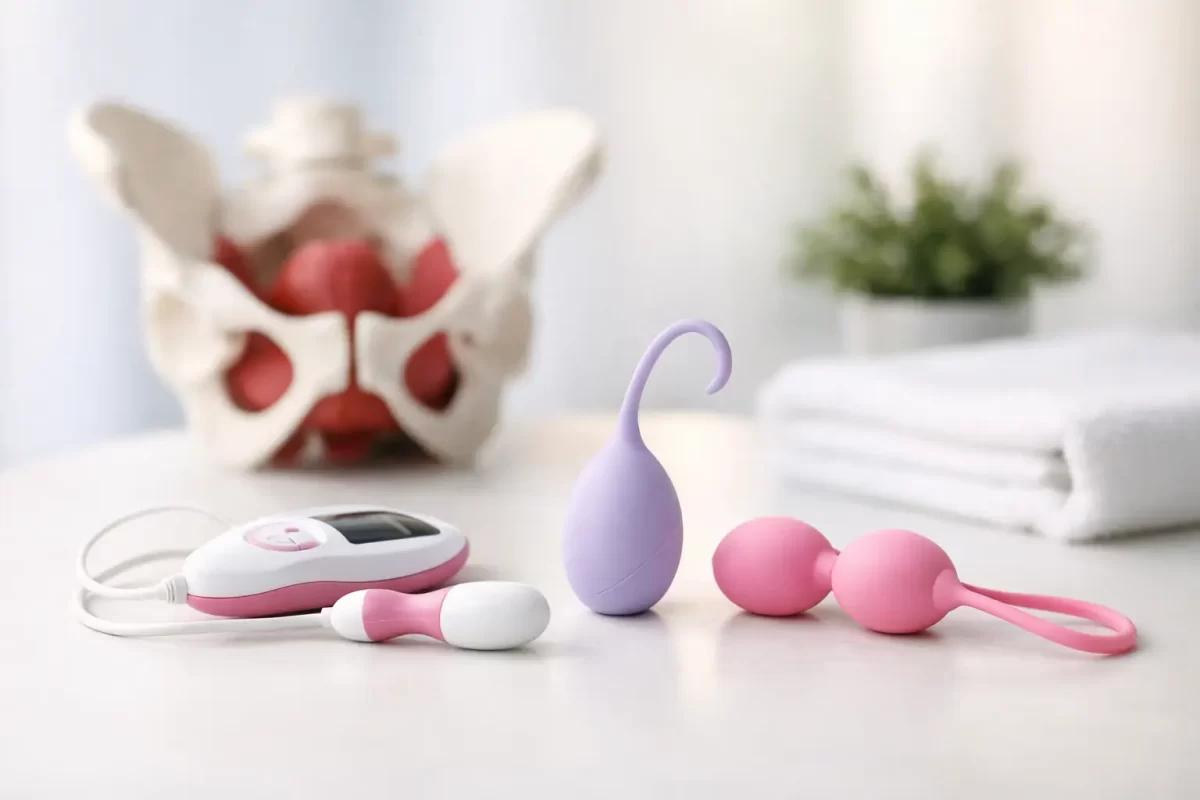
Most people looking for a pelvic floor device review are not browsing out of curiosity. They are trying to stop bladder leakage, get through the night without urgency, feel stronger after childbirth, or regain confidence after prostate treatment. That changes how these devices should be judged. The real question is not which gadget sounds impressive. It is which option is appropriate, practical and supported by suitable clinical assessment and evidence.
Pelvic floor weakness can affect women and men differently, but the frustration is often the same. You might be doing pelvic floor exercises and still leaking when you laugh, cough or exercise. You might feel pressure, reduced control, or less sensation during intimacy. In those situations, a device is only useful if it does more than promise a workout. Its intended role and suitability should be clear, including how it supports pelvic floor training or treatment.
Pelvic floor device review: the main types
There is no single category called a pelvic floor device. The market includes simple home trainers, app-connected biofeedback devices, electrical stimulation units and clinic-based technologies such as the EMSELLA chair. They are not interchangeable, and comparing them fairly means understanding what each one is designed to do.
Home trainers are usually inserted vaginally and aim to teach muscle awareness or provide resistance during Kegel exercises. Some are very basic, while others pair with an app to give feedback on squeeze strength and technique. These can be helpful for motivated users who are unsure whether they are contracting the right muscles. The limitation is that they still rely on you doing the exercise correctly and regularly.
Electrical stimulation devices use low-level impulses to trigger muscle contractions. Some are designed for home use, while others are used under clinical supervision. For some patients, particularly those with very weak contraction or poor muscle awareness, this can be a useful starting point. But comfort, ease of use and consistency can be issues, especially if someone is already feeling sensitive, embarrassed or overwhelmed by symptoms.
Then there are non-invasive clinical devices such as EMSELLA, which use high-intensity focused electromagnetic energy to stimulate thousands of supramaximal pelvic floor contractions while the patient remains fully clothed and seated. This is a very different category from a home gadget. It is designed for patients who want a clinic-based, non-invasive treatment approach without surgery, medication or internal devices.
What actually matters in a pelvic floor device review
Useful review criteria include outcomes, suitability, evidence and medical oversight. They are outcomes, suitability and medical oversight.
First, ask whether the device addresses your actual problem. Stress incontinence, urgency, postpartum weakness, menopausal pelvic floor changes, sexual dysfunction related to muscle weakness, and post-prostate symptoms may all involve the pelvic floor, but treatment needs can differ. A product that helps someone improve awareness of their muscles may not be enough for moderate leakage or long-standing weakness.
Second, consider whether you can use it properly. This sounds simple, but it can be a limitation for some home devices. If a device is fiddly, uncomfortable or hard to fit into your routine, it often ends up in a drawer. That does not mean the technology is bad. It means adherence matters. Practicality and adherence are relevant when considering a treatment option.
Third, look at the level of evidence and regulatory standing. In this area, there is a big difference between a wellness product and a medically guided therapy. Claims around tone, tightening or intimate health can be vague. What you want is a clear explanation of what the treatment does, who it is suitable for, and what sort of improvement is realistic.
Finally, think about dignity. Many people delay treatment because they feel embarrassed. A device may be clinically useful, but if it makes someone feel more self-conscious, that is a genuine barrier. This is one reason non-invasive, consultation-led options can appeal to patients who want support without added discomfort.
Home pelvic floor devices: where they help and where they fall short
Home devices can play a role, especially for mild symptoms or early-stage weakness. If someone has a good understanding of pelvic floor contractions and is disciplined with exercises, a biofeedback trainer may help reinforce technique. This can be particularly useful after childbirth or during early symptom changes, when symptoms are mild or at an earlier stage.
That said, claims made for home devices should be considered alongside their evidence, intended use and limitations. They do not remove the challenge of compliance, and they cannot replace medical assessment. Some people think they have weak pelvic floor muscles when the issue is actually poor coordination, prolapse, overactive bladder, post-surgical change or another pelvic health condition. Others keep trying Kegels, even though they are bearing down rather than lifting the muscles.
There is also the issue of intensity. A home trainer can guide effort, but home trainers and clinic-based technologies use different methods and levels of stimulation. For someone who has already tried exercises without success, a clinic-based treatment may be considered after appropriate assessment.
EMSELLA in a pelvic floor device review
If you are comparing options seriously, EMSELLA deserves to be assessed as a medical treatment rather than a wellness novelty. The chair is designed to stimulate the pelvic floor using focused electromagnetic energy, producing thousands of contractions in a single session. The chair delivers repeated supramaximal pelvic floor contractions in a controlled clinical setting.
From a patient point of view, the treatment is non-invasive and does not require an internal probe, undressing, surgery or recovery time. There is no internal probe, no need to undress, no surgery and no recovery time. For women dealing with postpartum weakness, menopausal bladder leakage or reduced vaginal tone, that can make treatment feel more manageable. For men experiencing urinary symptoms after prostate issues, or pelvic floor weakness linked to erectile dysfunction, it offers a non-invasive pathway worth discussing.
The trade-off is that EMSELLA is not a do-it-yourself product. It is a clinic-based treatment and should be part of proper screening, because not every patient is suitable. People with certain implanted devices, metal in relevant areas, or specific medical conditions may require alternative care. That is not a drawback so much as a sign that treatment should be taken seriously.
This is where matters. At a clinic such as Advance Medical Therapies in South Yarra, patients are screened before treatment rather than simply sold sessions. That approach helps assess whether the treatment may be appropriate for the symptoms, what outcomes are realistic, and whether another issue needs attention first. doctor-led assessment
Who may be suitable?
Results depend on the cause and severity of symptoms, but there are some clear patterns. Patients with stress urinary incontinence, pelvic floor weakness, postpartum changes or reduced pelvic support may be considered for treatment after assessment. Potential benefits may include improvements in confidence, sleep and day-to-day comfort because they are no longer constantly planning around toilet access or worrying about leakage.
Men can benefit too, particularly when pelvic floor weakness contributes to bladder control issues or sexual function concerns. This matters because men are often left out of the conversation, even though pelvic floor treatment can be clinically relevant after prostate-related changes.
Where results are more variable is in severe or complex symptoms. If someone has significant prolapse, neurological disease, chronic pelvic pain or mixed bladder symptoms, treatment may still help, but expectations should be individualised. A responsible review should say that clearly. No device is perfect for every case.
Safety, comfort and expectations
Most patients want to know two things straight away: does it hurt, and how quickly does it work. With EMSELLA, treatment is generally described as unusual rather than painful. You feel repeated pelvic floor contractions and tingling, and the intensity can be adjusted. Sessions are brief, and people typically return to normal activity immediately.
The timing and degree of improvement vary between individuals and may become apparent during or after a treatment course. Maintenance may also be appropriate, depending on age, hormonal status, activity level and baseline weakness.
That honest middle ground is important. A trustworthy pelvic floor device review should not promise miracles. It should explain that pelvic health is influenced by childbirth, ageing, menopause, prostate treatment, weight changes, chronic coughing, constipation and exercise history. Device-based treatments should be matched to the individual patient and clinical indication.
So which option is best?
If your symptoms are mild, you are confident using a home device, and you mainly need help with muscle awareness and consistency, a home trainer may be reasonable. If you have already tried Kegels, are still leaking, want a clinic-based non-surgical treatment, or prefer clinician-guided care, EMSELLA is a clinic-based option with a different mechanism and treatment setting.
That distinction matters because some patients may use products that are not well matched to their symptoms or treatment needs. When bladder leakage starts affecting exercise, sleep, work, travel or intimacy, convenience alone should not be the deciding factor. Clinical suitability, evidence and proper assessment should also guide the decision.
A useful next step is to identify why the symptoms are occurring and which treatment options may be appropriate. It is working out why your symptoms are happening and choosing a treatment that matches that cause. Pelvic floor problems are common, but they should not be treated as something you simply put up with. A good device can help. An appropriately selected device may form part of a treatment plan aimed at improving symptoms and quality of life.
Ready to take the next step?
Contact our team to arrange your Emsella consultation and discuss your symptoms, goals, and whether Emsella may be appropriate for you.
Located in Melbourne
(03) 8529 2225 | Contact Us
