

How to Reduce Urine Leakage Exercise Tips
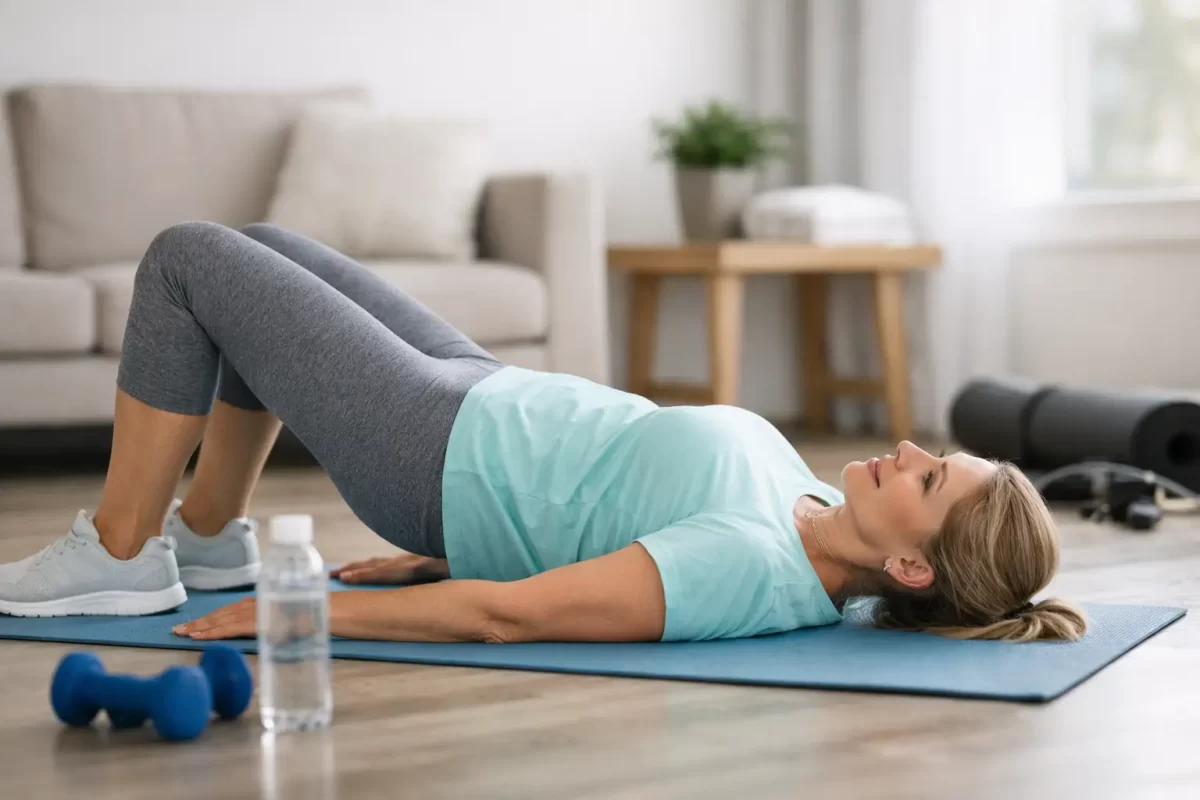
A lot of people first notice bladder leakage in ordinary moments – getting out of the car, laughing with friends, lifting groceries, or feeling a sudden urge and not making it to the toilet in time. If you are searching for how to reduce urine leakage exercise options, you are not alone, and you are not overreacting. Urine leakage is common, but it is not something you simply have to put up with.
Exercise can help, but only when it targets the right muscles, is done correctly, and matches the type of leakage you are experiencing. That is where many people get stuck. They have heard of Kegels, tried to squeeze a few times a day, and still find themselves wearing pads, mapping out toilet stops, or waking multiple times overnight.
How to reduce urine leakage exercise approaches actually work
Urine leakage is often linked to pelvic floor weakness, poor muscle coordination, or changes caused by pregnancy, childbirth, ageing, menopause, prostate issues, or surgery. The pelvic floor is a group of muscles and connective tissues that support the bladder, bowel and, in women, the uterus. These muscles also help control the release of urine.
When the pelvic floor is not working well, leakage can happen under pressure. That might mean a few drops when you cough, sneeze or exercise. In other cases, the issue is urgency – the strong need to urinate that comes on quickly and can be hard to control.
Exercise aims to improve the strength, timing and endurance of the pelvic floor. Stronger support around the bladder neck and urethra can reduce leaks, particularly for stress urinary incontinence. Better muscle control can also help some people with urgency symptoms, although urgency is often more complex and not always solved by exercises alone.
The key point is this: pelvic floor exercise is not just about squeezing hard. It is about activating the correct muscles, relaxing them properly between contractions, and building function over time.
Pelvic floor exercises for urine leakage
The most commonly recommended exercise is the pelvic floor contraction, often called a Kegel. To do it correctly, imagine you are trying to stop urine flow and avoid passing wind at the same time. The lift should feel internal rather than like a big clench through the buttocks, thighs or abdomen.
A pelvic floor program may include both short and longer holds, depending on individual assessment and guidance. Short contractions help your muscles react quickly when you cough, laugh or lift. Longer holds help build endurance for everyday bladder control. Breathing matters as well. Many people hold their breath and bear down, which can increase pressure and make symptoms worse.
Technique and appropriate repetition both matter. Doing 100 poor-quality squeezes is less useful than a smaller number of well-performed contractions. For some people, especially after childbirth or prostate treatment, the muscles are weak and hard to identify. For others, the pelvic floor is actually overactive and tense, so more squeezing is not automatically better.
That is one reason self-directed exercise can be frustrating. The idea sounds simple, but the body is not always straightforward.
A basic starting point
If you have been told pelvic floor training is appropriate for you, begin in a comfortable position such as lying down or sitting. Gently lift and squeeze the pelvic floor for a few seconds, then fully relax. Repeat several times, aiming for control rather than strain. As strength improves, the exercises can be done standing, where the muscles have to work against gravity and cope with daily movement.
You can also learn to contract the pelvic floor just before a cough, sneeze or lift. This is sometimes called the knack. It can be useful for stress leakage because it prepares the muscles before pressure rises.
Why exercises do not always fix bladder leakage
Many patients feel discouraged because they have already tried pelvic floor exercises and seen little change. That does not mean your symptoms are untreatable. Possible reasons include difficulty activating the muscles, an exercise program that needs adjustment, or an underlying problem requiring a different approach.
This is especially relevant for people with more significant pelvic floor weakness, postmenopausal tissue changes, longstanding incontinence, or leakage after prostate surgery. In these situations, home exercises may help, but some patients may require additional assessment or treatment.
There is also the issue of diagnosis. Not all leakage is the same. Stress incontinence, urge incontinence, mixed incontinence, overflow issues and symptoms related to prolapse can overlap. If the cause is not clear, generic advice can miss the mark.
For men, leakage may be linked to prostate enlargement, prostate treatment, pelvic floor dysfunction or changes in bladder function. For women, pregnancy, birth trauma, menopause and ageing are common contributors. The exercise plan should reflect that context.
When clinician-guided treatment makes sense
If you are doing the exercises and still leaking, or if you are not sure whether you are contracting the right muscles, clinician-guided care may be an appropriate next step. This gives you a proper assessment rather than guesswork.
At a medical clinic, the focus is not just on handing out generic pelvic floor advice. It is on screening for the type of incontinence, understanding contributing factors, and matching treatment to the severity of symptoms and your goals. That is particularly important if leakage is affecting work, sleep, exercise, social confidence or intimacy.
For some patients, advanced non-invasive pelvic floor treatment can provide a structured, clinician-guided non-invasive option. is one example. It uses high-intensity focused electromagnetic technology to stimulate thousands of supramaximal pelvic floor contractions in a single session while the patient remains fully clothed and seated. EMSELLA
That matters because the device provides repeated supramaximal contractions in a controlled clinical setting, especially if the pelvic floor is very weak or poorly coordinated. A treatment approach like this is not about replacing all healthy habits. It is about giving weakened muscles clinically guided high-intensity pelvic floor stimulation.
At Advance Medical Therapies, this is approached as rather than a one-size-fits-all wellness service. That distinction matters. Proper assessment helps determine whether pelvic floor strengthening may be appropriate for the symptoms, whether other medical issues need attention, and what level of treatment is realistic. consultation-led care
How to reduce urine leakage exercise efforts with better everyday habits
Pelvic floor exercise may be supported by appropriate bladder and lifestyle measures. This does not mean cutting fluids dramatically or trying to hold on all day. In fact, both can backfire.
Drinking too little can concentrate the urine and irritate the bladder, which may worsen urgency. On the other hand, excessive caffeine, alcohol or large volumes of fluid late in the evening may increase symptoms for some people. Constipation is another major factor because straining puts repeated pressure on the pelvic floor.
Body weight, chronic coughing and high-impact activity can also contribute. That does not mean you must stop moving. It means your treatment plan may need to include lower-impact exercise for a time, attention to breathing and pressure management, and a realistic view of what your pelvic floor can currently handle.
If you are postpartum, menopausal, or recovering after prostate treatment, it is worth recognising that tissue and hormonal changes may affect results. Improvement can still happen, but the path is not identical for everyone.
When to seek help rather than keep guessing
A small leak can become a bigger quality-of-life issue than people expect. Many patients quietly change their routine for months or years before asking for help. They avoid long drives, stop certain workouts, wear dark clothes, or plan the day around the nearest toilet. It chips away at confidence.
You should seek a proper assessment if leakage is happening regularly, if urgency is disrupting daily life, if symptoms began after childbirth or prostate treatment, or if home exercises have not improved things after a reasonable trial. It is also wise to get checked if you have pain, blood in the urine, recurrent urinary infections, or trouble emptying the bladder.
There is no prize for putting up with it. Bladder leakage is a medical issue, not a personal failure.
Appropriately selected pelvic floor exercise may help reduce urine leakage, especially when pelvic floor weakness is part of the problem. But effective treatment is not about doing random squeezes and hoping for the best. It is about knowing what type of leakage you have, whether your muscles are working properly, and whether a clinician-guided or other treatment approach may be appropriate. If leakage is changing how you live, it is worth addressing properly and with dignity.
Ready to take the next step?
Contact our team to arrange your Emsella consultation and discuss your symptoms, goals, and whether Emsella may be appropriate for you.
Located in Melbourne
(03) 8529 2225 | Contact Us
