

Vaginal Laxity Causes Symptoms and Treatment
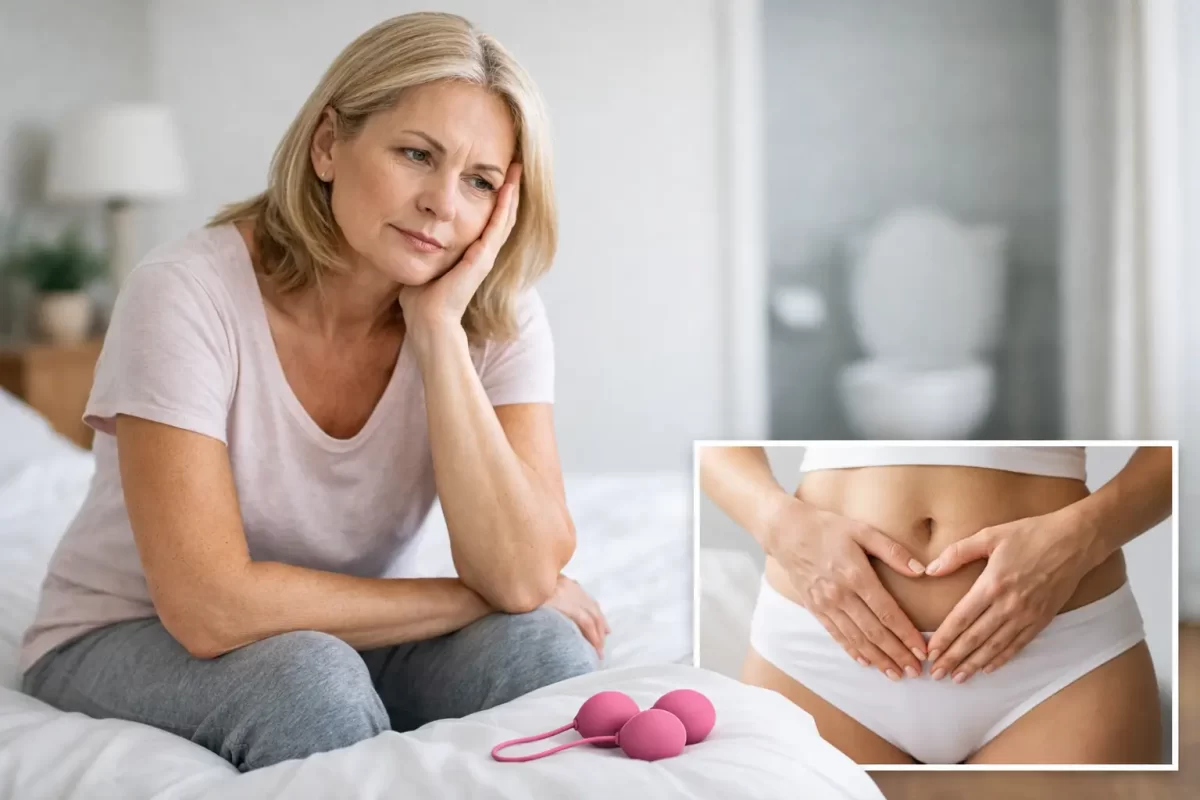
Vaginal laxity is a sensitive concern, but it is also a common one. Some people notice a changed sensation during intimacy, less confidence using tampons, or bladder leakage when they cough, laugh or exercise. Others simply feel that their pelvic area no longer has the strength or support it once did. These changes may affect confidence, relationships or everyday activities.
Pelvic floor changes after childbirth, ageing or menopause may warrant assessment when they are persistent or affecting quality of life. The right assessment can clarify what is happening and whether clinician-guided, non-surgical treatment may be appropriate.
What does vaginal laxity mean?
Vaginal laxity is a non-medical term commonly used to describe a feeling of looseness, reduced vaginal tone or diminished pelvic floor support. It can relate to changes in the vaginal tissues, but it may be associated with changes in pelvic floor muscle function: the group of muscles that supports the bladder, bowel, uterus and vaginal canal.
When these muscles are weakened, stretched or poorly coordinated, you may notice less sensation during penetrative sex, difficulty holding in urine, urgency, or a feeling of heaviness in the pelvis. Vaginal dryness, irritation and pain are different concerns, although they can occur at the same time, especially around menopause.
It is worth avoiding self-diagnosis. A sensation of laxity does not automatically mean there is a prolapse or another serious condition. Equally, bladder symptoms should not be assumed to be a normal consequence of getting older. A medical consultation helps distinguish between pelvic floor weakness, hormonal tissue changes, prolapse, infection and other causes requiring different care.
Why vaginal laxity can happen
Pregnancy and vaginal birth can contribute to pelvic floor and vaginal tissue changes. During pregnancy, the pelvic floor carries substantially more load. Vaginal delivery can stretch the muscles, fascia and surrounding tissues, particularly after a long labour, an assisted delivery, a larger baby or multiple births. Recovery varies greatly from person to person.
Menopause-related hormonal changes may also contribute. Falling oestrogen levels may affect the elasticity, moisture and resilience of vaginal tissues. At the same time, the pelvic floor can lose strength with age if it is not regularly challenged. This may make stress urinary incontinence – leakage during movement or exertion – more likely.
Other factors include chronic constipation and straining, persistent coughing, high-impact exercise, previous pelvic surgery, obesity and a history of pelvic floor injury. Sometimes there is no single cause. The relevant question is not whether you can pinpoint the exact moment symptoms started, but whether the symptoms are affecting your quality of life now.
Symptoms that deserve attention
Reduced sensation during intimacy may occur alongside urinary leakage, urgency, frequent toilet trips or waking overnight to use the bathroom.
You may find yourself mapping out toilets before a long drive, avoiding a gym class, wearing pads “just in case”, or holding back in intimate situations. These strategies may delay assessment of symptoms and possible contributing factors.
A feeling of bulging, dragging or pressure in the vagina should be assessed by a GP or qualified pelvic health clinician, particularly if it is new or worsening. Seek prompt medical advice for vaginal bleeding after menopause, blood in the urine, pelvic pain, recurrent urinary tract infections, an inability to empty the bladder, or a noticeable vaginal bulge.
Can pelvic floor exercises help?
Pelvic floor exercises may be effective when they are appropriate, the correct muscles are identified and contractions are performed consistently. Some people are unsure whether they are contracting the pelvic floor correctly. Some bear down instead of lifting, tense their buttocks or abdominal muscles, or practise inconsistently.
There is also an important trade-off: more squeezing is not always better. Some people have an overactive or overly tight pelvic floor, which can contribute to pain, constipation or discomfort during sex. In that situation, strengthening without an assessment may not be the right first step.
A pelvic health physiotherapist can provide individual exercise guidance, while a doctor-led assessment can identify contributing medical factors. For people who have tried home Kegels without a meaningful change, supervised technology-based treatment may be an appropriate option.
Non-surgical treatment for vaginal laxity and pelvic floor weakness
Treatment should be based on symptoms, examination findings, health history and personal goals. Depending on the cause, a clinician may recommend pelvic floor physiotherapy, bladder training, lifestyle adjustments, management of constipation or menopause-related symptoms, or referral to a specialist.
For suitable patients, EMSELLA is a non-invasive option designed to stimulate the pelvic floor using high-intensity focused electromagnetic energy. You remain fully clothed and seated in the treatment chair while it produces repeated high-intensity pelvic floor contractions in a controlled clinical setting. The treatment does not involve needles, surgery or surgical recovery.
EMSELLA may be considered for suitable patients with urinary incontinence or pelvic floor weakness. Where sexual symptoms are associated with pelvic floor dysfunction, treatment goals may also include aspects of sexual wellbeing. It is not a replacement for a thorough diagnosis, nor is it a guaranteed solution for every symptom of vaginal laxity. Results can depend on the severity and cause of symptoms, hormonal changes, childbirth history, general health and whether further care is needed.
At Advance Medical Therapies in South Yarra, treatment begins with a consultation and screening process under GP-led care. This allows the clinician to determine whether device-based treatment is appropriate for the individual’s symptoms and health history. The clinician can discuss whether Emsella is appropriate, what realistic outcomes may look like and whether another treatment or referral may be more appropriate.
What treatment feels like
During an EMSELLA session, treatment produces repeated pelvic floor contractions and may cause a strong lifting, contracting or tingling sensation. Intensity can be adjusted according to comfort and the clinical treatment plan.
Treatment may involve a course of sessions according to the clinical plan. The timing and degree of any change in bladder control or pelvic floor awareness vary between individuals. Appropriate exercise, bowel habits and management of contributing factors may form part of longer-term pelvic floor care.
Not everyone is eligible. Implanted electronic devices, certain metal implants, pregnancy and particular medical conditions may make this treatment unsuitable. A proper screening consultation is essential for safety.
When to book an assessment
Consider seeking advice if you are changing exercise habits because of leakage, avoiding intimacy because you no longer feel comfortable, relying on pads, or feeling anxious about urgency and toilet access. Assessment may be appropriate before symptoms become severe, particularly when they are persistent or affecting daily life. A referral is not required for a private consultation.
Vaginal laxity can be difficult to raise, even with a doctor. A clinical consultation can assess possible contributing factors and discuss appropriate management options. The focus of assessment should be symptoms, pelvic floor function, quality of life and the individual’s treatment goals rather than an ideal of vaginal ‘tightness’.
Ready to take the next step?
Contact our team to arrange your Emsella consultation and discuss your symptoms, goals, and whether Emsella may be appropriate for you.
Located in Melbourne
(03) 8529 2225 | Contact Us
