

How to Regain Vaginal Tightness Safely After Birth
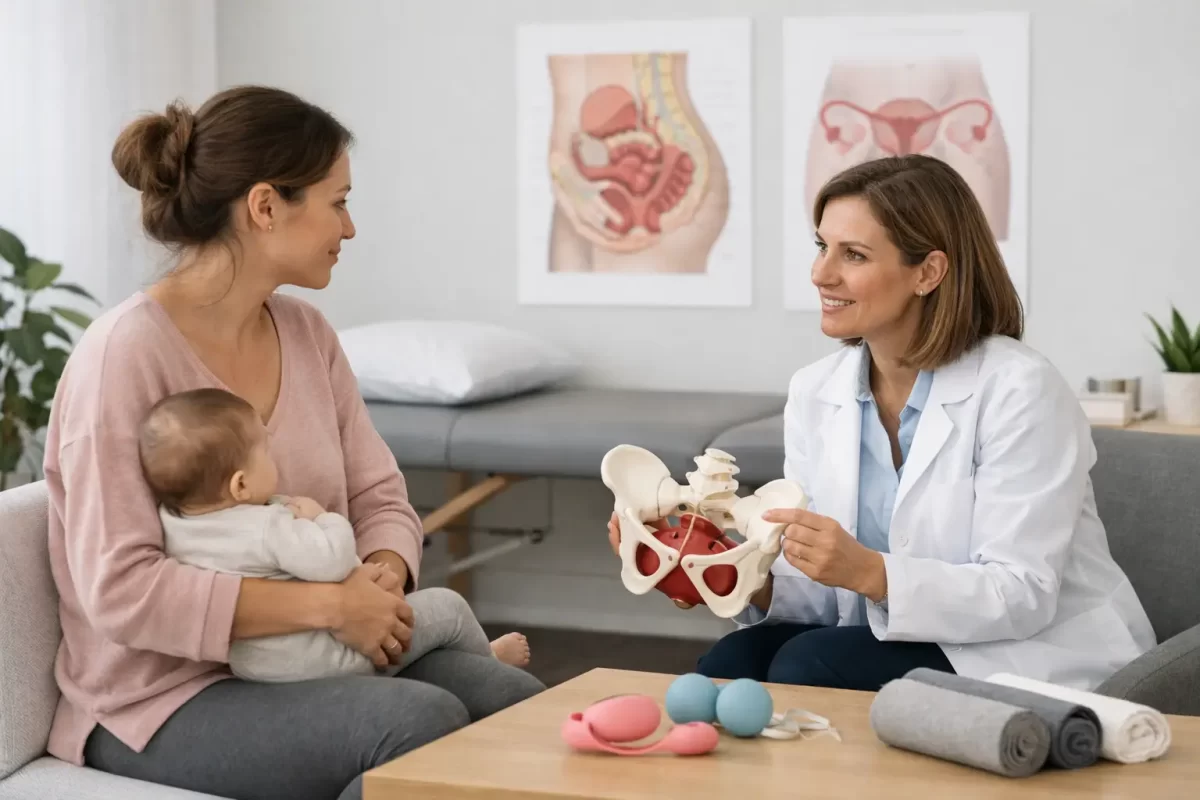
Feeling less vaginal support during exercise, sex, coughing or simply going about your day can be confronting. Many women search for how to regain vaginal tightness safely, but an appropriate starting point is to understand the cause of the symptoms before choosing treatment. It is understanding what has changed, why it has changed, and which treatment is appropriate for your body.
“Vaginal tightness” is a common way of describing reduced sensation, a feeling of looseness, diminished support or changes in sexual confidence. These experiences are real, but they do not always have the same cause. Childbirth, menopause, ageing, pelvic surgery, chronic constipation and repeated heavy lifting can all affect the pelvic floor and vaginal tissues. A clinician-led assessment can separate pelvic floor weakness from vaginal dryness, prolapse, pain or another condition that needs different care.
What does vaginal tightness actually mean?
The vagina is a flexible muscular canal, designed to stretch and recover. It is not meant to feel permanently “tight” at all times. What many people notice after vaginal birth or through menopause is a reduction in pelvic floor muscle strength and coordination. This may change sensation during intimacy and make it harder to control urine when laughing, running or lifting.
For some women, the issue is more about tissue quality than muscle strength. Reduced oestrogen around perimenopause and menopause can cause vaginal dryness, irritation and discomfort with sex. Others may have pelvic organ prolapse, where the bladder, uterus or bowel places pressure on the vaginal walls. Treating any of these concerns as simple “laxity” can miss the real issue.
That is why a respectful medical consultation matters. The goal should be to identify the symptoms, pelvic floor function and treatment priorities rather than focus on an ideal of vaginal ‘tightness’.
How to regain vaginal tightness safely: start with assessment
A GP or women’s health clinician can discuss your symptoms, medical history, childbirth history, medications and goals. They may recommend an examination, particularly if you have a vaginal bulge, pelvic heaviness, pain, bleeding, recurrent urinary infections or significant urinary leakage.
Be especially cautious about self-diagnosing through social media or purchasing products marketed as “vaginal tightening” remedies. Tightening creams, herbal pessaries, douches and unregulated devices can irritate delicate tissue, disrupt the natural vaginal environment and delay proper treatment. The vagina does not need cleansing products inside it.
A treatment plan should be individualised. For one person, it may involve supervised pelvic floor rehabilitation. For another, treatment for genitourinary symptoms of menopause may be the priority. If prolapse or a significant tear is present, referral to a gynaecologist or pelvic health specialist may be needed.
Build pelvic floor strength with the right technique
The pelvic floor is a group of muscles and connective tissues that support the bladder, bowel and uterus. These muscles also contribute to sexual sensation and vaginal support. When they are weak, overstretched or poorly coordinated, symptoms can include leakage, urgency, reduced confidence during exercise and a changed feeling during intercourse.
Pelvic floor exercises can help, but technique is crucial. A correct contraction feels like gently lifting and closing around the vagina and anus, without clenching the buttocks, thighs or holding your breath. Some people bear down instead of lifting, or complete exercises inconsistently because they cannot tell whether they are activating the correct muscles.
A pelvic health physiotherapist can assess muscle strength, relaxation and coordination, then provide a programme suited to you. This may be particularly relevant after childbirth, during menopause or when symptoms have not improved with unsupervised pelvic floor exercises. Progress generally takes time and regular practice. If exercises cause pain, pressure or worsening symptoms, stop and seek advice rather than pushing through.
Lifestyle habits can support treatment too. Managing constipation, maintaining a weight that is healthy for you, treating a persistent cough and learning to brace the pelvic floor before a sneeze or lift can reduce repeated strain. These measures are useful, but they are not a substitute for assessment where symptoms are affecting daily life.
Non-surgical treatment with EMSELLA
For people who want a more structured, non-invasive option, EMSELLA treatment may be considered after clinical screening. The EMSELLA chair uses high-intensity focused electromagnetic technology to stimulate pelvic floor muscle contractions while you remain fully clothed and seated. A session typically takes around 28 minutes.
The treatment is designed to strengthen and re-educate the pelvic floor. Patients may seek it for stress urinary incontinence, urgency, pelvic floor weakness, reduced vaginal tone and changes in sexual wellbeing. It may be considered where pelvic floor exercises are difficult to perform correctly or consistently.
EMSELLA is not a replacement for a diagnosis. Results vary according to the underlying cause, symptom severity, hormonal status and whether there is prolapse or another pelvic condition. It may be used alongside physiotherapy, lifestyle changes or medical management. A doctor-led consultation helps determine whether it is suitable, whether treatment should be delayed, and what outcomes are realistic for you.
At Advance Medical Therapies in South Yarra, EMSELLA care is consultation-led under medical oversight, with patient screening before treatment. This approach allows symptoms and suitability to be clinically assessed before treatment.
Address dryness and discomfort, not just muscle tone
If sex has become uncomfortable, burning or dry, increasing muscle contractions alone may not solve the problem. Menopausal changes can make vaginal tissues thinner and less elastic, while breastfeeding may also temporarily lower oestrogen levels.
A clinician may discuss vaginal moisturisers, lubricants and, where appropriate, local oestrogen therapy or other prescription options. These treatments are not suitable for every person, so your medical history matters. Treatment for dryness is directed at vaginal symptoms, while pelvic floor treatment focuses on muscle function and support.
Pain during intercourse should never be dismissed as something to tolerate. It can be related to dryness, infection, skin conditions, scar tissue, pelvic floor overactivity or other causes. In some cases, the pelvic floor is too tense rather than too weak, and strengthening exercises without guidance can aggravate pain.
Be cautious with invasive “tightening” procedures
Surgical vaginal repair may be appropriate for a confirmed prolapse, significant birth injury or another diagnosed condition. It is not a casual cosmetic decision. Surgery carries potential risks including pain, infection, scarring, altered sensation and recovery time, and should be discussed with an appropriately qualified specialist.
Energy-based vaginal procedures, including some laser and radiofrequency treatments, are also marketed for laxity and intimate wellness. Evidence, device approval and suitability vary. Do not assume that a treatment is safe or effective simply because it is advertised as non-surgical. Ask who is providing it, what condition it is intended to treat, what evidence supports it, what side effects are possible and what happens if it does not help.
A provider should assess symptoms and suitability before recommending a treatment plan.
When to seek medical advice promptly
Make an appointment if you have persistent leakage, sudden changes in bladder or bowel control, pelvic heaviness, a vaginal lump or bulge, pain, bleeding after sex, unusual discharge, recurrent infections or symptoms that are affecting intimacy and everyday activities. Seek urgent care for severe pelvic pain, heavy bleeding, fever, inability to pass urine, or new bladder or bowel changes alongside leg weakness or numbness.
Leakage, reduced sensation or discomfort after childbirth or menopause may warrant assessment when persistent or affecting quality of life. A clinical assessment can help clarify possible causes and appropriate treatment options.
Ready to take the next step?
Contact our team to arrange your Emsella consultation and discuss your symptoms, goals, and whether Emsella may be appropriate for you.
Located in Melbourne
(03) 8529 2225 | Contact Us
