

Why Does Bladder Leakage Happen? Common Causes
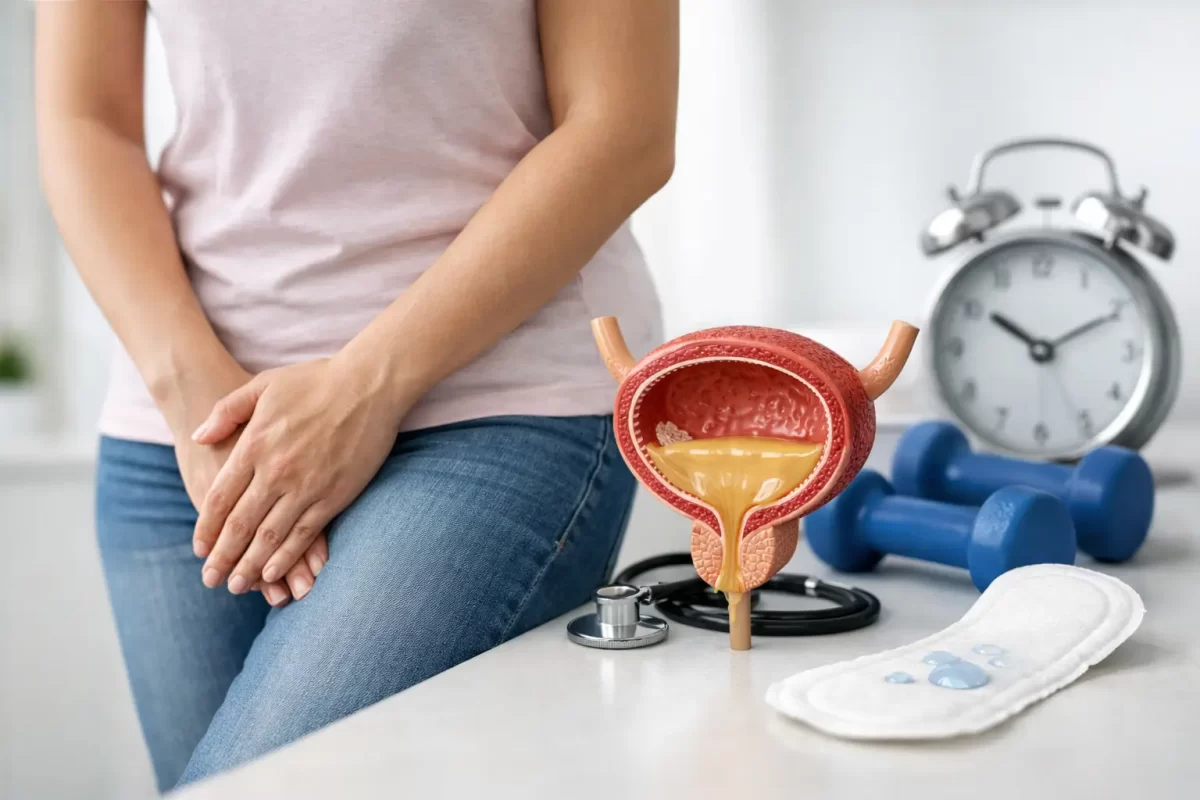
A laugh that turns into a dash for the bathroom. Avoiding a long walk, a gym class or a dinner out because you are worried about finding a toilet. These experiences can feel isolating, but they are very common. If you are asking, “why does bladder leakage happen?”, the short answer is that bladder leakage can result from changes affecting the bladder, pelvic floor, urinary sphincter or nervous system.
Leakage is not simply something you have to put up with after having children, during menopause or as you get older. It can be a sign of pelvic floor weakness, an overactive bladder, prostate-related changes or another health issue. The right treatment depends on the cause, which is why a proper medical assessment matters.
Why does bladder leakage happen?
Your bladder stores urine. When it is time to empty, the bladder muscle contracts while the pelvic floor muscles and urinary sphincter relax. At all other times, the pelvic floor and sphincter should provide support and help keep the urethra closed.
Bladder leakage can occur when this system is under strain. The pelvic floor may be too weak to counter pressure from a cough or exercise. The bladder may contract suddenly before you reach a toilet. In some cases, urine flow is obstructed or the bladder does not empty fully, leading to dribbling afterwards.
The pattern of leakage offers useful clues. Leaking when you laugh, sneeze, lift, run or jump is often linked to stress urinary incontinence. A sudden, difficult-to-control need to pass urine, sometimes followed by leakage before reaching the bathroom, is more consistent with urge incontinence or an overactive bladder. Some people have both patterns, known as mixed incontinence.
The common causes of bladder leakage
Pelvic floor weakness
The pelvic floor is a group of muscles at the base of the pelvis. It supports the bladder and bowel and plays a role in sexual function. Pregnancy, vaginal birth, hormonal changes, ageing, chronic constipation, heavy lifting and high-impact exercise can all affect its strength and coordination.
For women, pregnancy and childbirth are common contributors, particularly after forceps delivery, a significant tear or multiple births. Symptoms may not appear straight away. A person may manage well for years, then notice leakage around perimenopause as oestrogen levels change and pelvic tissues become less resilient.
Men also have a pelvic floor, and it can weaken. This is especially relevant following prostate surgery, but it can also occur with ageing, chronic straining, weight changes and some pelvic health conditions.
Menopause and hormonal change
During menopause, lower oestrogen levels can affect the tissues of the vagina and urethra. Some women notice vaginal dryness, discomfort, more frequent urinary tract infections, urgency or leakage around this time. Hormones are only one part of the picture, but they can make existing pelvic floor weakness more noticeable.
This does not mean every bladder symptom in midlife is caused by menopause. New or worsening symptoms still deserve an assessment, particularly when they interrupt sleep, work, exercise or intimacy.
An overactive bladder
An overactive bladder means the bladder muscle sends an urgent signal to empty, even when it is not full. You may need to pass urine often, wake overnight to use the toilet or feel that urgency arrives with very little warning.
Triggers vary. Some people notice symptoms after tea, coffee, alcohol, fizzy drinks or large volumes of fluid in a short period. Others find that running water, arriving home or putting a key in the front door brings on urgency. These triggers do not mean the symptoms are imagined. They reflect an overly sensitive bladder signalling system.
Prostate conditions and treatment
For men, urinary leakage can be associated with an enlarged prostate, prostate surgery or radiation treatment. An enlarged prostate may obstruct urine flow, causing hesitancy, a weak stream, frequent urination or a feeling that the bladder has not emptied. Leakage may then occur as dribbling after urination or overflow from a very full bladder.
After prostate surgery, the urinary sphincter and pelvic floor may need time and targeted support to regain control. The degree and duration of leakage vary considerably between individuals, so personalised guidance is valuable.
Pressure on the bladder and pelvic floor
Carrying extra weight can increase pressure on the bladder and pelvic floor. Chronic coughing, whether from smoking, asthma or another respiratory condition, has a similar effect. Constipation and regular straining can also place ongoing stress on pelvic tissues.
Lifestyle factors do not explain every case, and they should never be used to blame someone for their symptoms. They are simply factors that may worsen leakage and can form part of a broader management plan.
When bladder leakage needs prompt medical attention
Bladder leakage has a range of potential causes, and some associated symptoms require prompt assessment. Seek prompt medical care if you have blood in your urine, burning or pain when passing urine, fever, pelvic pain, recurrent urinary tract infections, sudden severe leakage, new leg weakness, numbness around the groin, or loss of bowel control.
A sudden change in bladder control can sometimes be caused by infection, medication, constipation, neurological conditions or other medical issues. A clinician can check for these possibilities before recommending treatment.
Why pelvic floor exercises do not always solve the problem
Pelvic floor exercises can be helpful, but many people are unsure whether they are contracting the right muscles or doing enough repetitions with correct technique. Others have a pelvic floor that is tight and poorly coordinated rather than simply weak. In that situation, repeatedly squeezing without guidance may not address the underlying problem.
Consistency is another barrier. Pelvic floor muscle training generally requires consistent practice over time. If symptoms persist despite trying Kegels, that does not mean you have failed. It may mean you need assessment, clearer technique or a different level of support.
Treatment depends on the cause
A good treatment plan starts with understanding your symptom pattern, medical history, medications, bowel habits, fluid intake, childbirth history or prostate history, and any sexual health concerns. Depending on the findings, management may include bladder training, dietary adjustments, treatment for constipation, physiotherapy, medication or care for an underlying condition.
For suitable patients, non-invasive pelvic floor technology may also be an option. The EMSELLA chair uses focused electromagnetic energy to stimulate deep pelvic floor contractions while you remain fully clothed and seated. It provides a clinician-guided, non-surgical and drug-free option intended to improve pelvic floor muscle function in suitable patients.
At Advance Medical Therapies, treatment is consultation-led, because not every form of leakage has the same cause or requires the same solution. A medical assessment can help determine whether pelvic floor strengthening is appropriate and whether further investigation or another treatment should come first.
Small changes that can reduce day-to-day symptoms
While you explore treatment, practical adjustments may make outings and routines feel more manageable. Avoid dramatically restricting fluids, as concentrated urine can irritate the bladder. Instead, spread fluid intake across the day and consider whether caffeine, alcohol or carbonated drinks are worsening urgency.
Address constipation, use correct lifting technique and seek help for a persistent cough. Planning toilet breaks before a long drive or exercise session can be sensible, but going “just in case” very frequently may train the bladder to signal sooner. The balance is individual, particularly if you have urgency or other medical conditions.
Bladder leakage can affect confidence quietly for a long time. You do not need to wait until it changes your social life, sleep, exercise habits or relationship. A conversation with a qualified clinician is a practical first step towards assessment and an appropriate management plan.
Ready to take the next step?
Contact our team to arrange your Emsella consultation and discuss your symptoms, goals, and whether Emsella may be appropriate for you.
Located in Melbourne
(03) 8529 2225 | Contact Us
