

If you have noticed reduced vaginal tightness, weaker sensation, tampon movement, bladder leakage or less confidence during intimacy, you are not imagining it. Vaginal laxity treatment non surgical care is a common reason women seek help, particularly after childbirth, through menopause, or when pelvic floor weakness starts affecting day-to-day life.
This is not only about sex or appearance. For many women, vaginal laxity sits alongside urinary urgency, stress incontinence, pelvic heaviness and the sense that the muscles are simply not doing their job as well as they used to. Those changes can be frustrating, embarrassing and easy to put off discussing, but they are often treatable.
What vaginal laxity actually means
Vaginal laxity is a broad term people use to describe reduced tightness or support in the vaginal and pelvic tissues. It can develop when the pelvic floor muscles and connective tissues are stretched, weakened or less responsive.
Pregnancy and vaginal birth are common contributors, but they are not the only ones. Menopause can reduce tissue elasticity through hormonal change, ageing can affect muscle tone, and chronic straining or pressure on the pelvic floor can also play a role. Some women notice the change mainly during intercourse. Others first become aware of it because of bladder symptoms, reduced support or a general feeling that things have changed.
That distinction matters. When someone searches for a vaginal laxity treatment non surgical option, what they often need is not a cosmetic fix. They need proper assessment of whether the main issue is pelvic floor weakness, tissue change, bladder dysfunction, prolapse, or a combination of these.
Why treatment needs to match the cause
Not every case of vaginal looseness is the same, and not every non-surgical treatment will suit every patient. If the problem is primarily muscular, strengthening the pelvic floor may improve vaginal tone, bladder control and sexual sensation. If there is significant prolapse or more advanced structural change, non-surgical treatment may still help symptoms, but expectations need to be realistic.
This is where doctor-led screening matters. A medically guided approach can identify whether you are dealing with a treatable pelvic floor problem, whether there are red flags, and whether a device-based treatment is likely to help.
Vaginal laxity treatment non surgical approaches
There are several non-surgical approaches used in clinical practice, but they do different jobs.
Pelvic floor exercises are usually the starting point. They can be effective, but many women struggle to isolate the correct muscles or maintain a consistent routine. Others are doing Kegels regularly without much improvement because the contractions are too weak, poorly targeted or not progressed properly.
Physiotherapy may help when hands-on assessment, training and rehabilitation are needed. This can be especially useful postpartum or when symptoms are more complex.
Energy-based treatments are also discussed in this space, but they vary considerably in purpose, evidence and suitability. Some focus on tissue remodelling. Others, such as high-intensity electromagnetic pelvic floor therapy, are designed to stimulate the muscles directly and strengthen the pelvic floor at a much higher intensity than most people can achieve on their own.
For women whose symptoms include leakage, urgency, reduced tone and pelvic floor weakness, that muscle-focused approach can be highly relevant.
How EMSELLA fits into non-surgical treatment
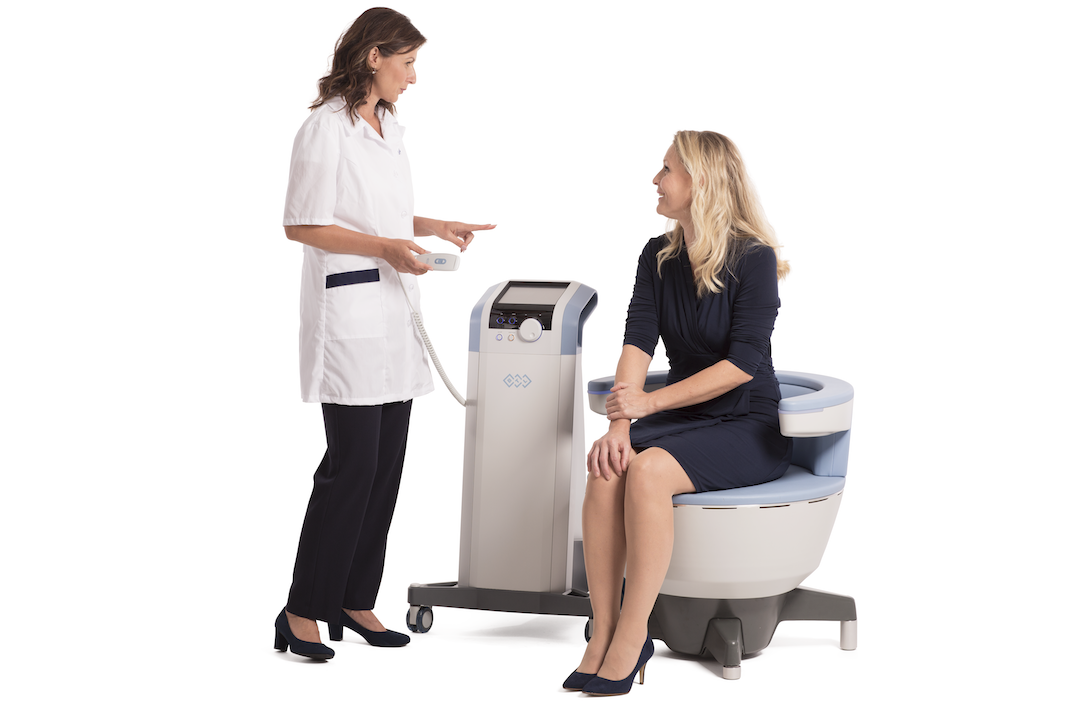
EMSELLA is a non-invasive chair-based treatment that uses high-intensity focused electromagnetic energy to trigger thousands of supramaximal pelvic floor contractions in a single session. In simple terms, it activates and retrains the muscles that support the bladder, vagina and pelvic organs.
You remain fully clothed during treatment and sit on the chair while the device works. There are no internal probes, no surgery, no anaesthetic and no downtime. That ease matters for patients who want treatment to fit into ordinary life rather than derail it.
From a medical perspective, the key benefit is not convenience alone. It is that pelvic floor weakness is often central to the symptoms women describe as vaginal laxity. If those muscles become stronger and more responsive, patients may notice better support, improved bladder control, enhanced awareness during intimacy and a greater sense of confidence.
That said, it is not a magic cure for every vaginal change. It works best when muscle weakness is a meaningful part of the problem.
Who may benefit most
Women who often respond well to this kind of treatment include those who are postpartum, peri-menopausal or postmenopausal, and those over 40 who have developed a mix of bladder and pelvic floor symptoms over time.
It may be worth considering if you have stress incontinence when coughing or exercising, urgency that keeps disrupting your day, reduced vaginal tone, diminished sensation during sex, or a feeling that your pelvic floor is not supporting you properly anymore.
It can also suit women who have tried doing pelvic floor exercises at home and either stopped, forgot, or never felt sure they were doing them correctly. For this group, supervised non-surgical treatment can offer a more structured and powerful alternative.
What results are realistic?
This is where honesty matters. Non-surgical treatment can lead to meaningful improvement, but results vary depending on the severity of symptoms, the underlying cause, age, hormonal status and whether there are coexisting issues such as prolapse.
Many women seek treatment because they want to feel tighter. That may improve, but the more useful measure is function. Are you leaking less? Do you feel better supported? Is urgency less disruptive? Has intimacy become more comfortable or satisfying? Can you exercise with more confidence?
These are the changes that tend to matter most in real life.
Some patients notice improvement within a few sessions. Others need a full course before the benefit is clear. Maintenance may also be needed over time, particularly if the initial weakness was significant or there are ongoing factors such as menopause or high physical strain.
Is it safe?
For suitable patients, non-invasive pelvic floor treatment is generally well tolerated. The main safeguard is proper screening. Not everyone is a candidate for device-based therapy, and this is one reason consultation-led care is preferable to treating intimate health concerns as a generic wellness service.
Medical assessment helps determine whether symptoms fit pelvic floor weakness, whether another diagnosis needs attention, and whether treatment is appropriate for your health history. It also gives patients a chance to ask direct questions about expected outcomes rather than relying on marketing claims.
A clinic such as Advance Medical Therapies takes this approach seriously, with treatment guided by medical assessment rather than assumptions.
When non-surgical care may not be enough
There are situations where a vaginal laxity treatment non surgical plan may help only partly, or may not be the right primary treatment. Significant pelvic organ prolapse, complex pain, unexplained bleeding, marked tissue atrophy, infection or other gynaecological concerns need proper evaluation.
Sometimes the best plan is combined care. A woman may benefit from pelvic floor therapy alongside hormone management, physiotherapy or specialist review. Non-surgical treatment is valuable, but it should sit within a broader clinical picture.
That is not a drawback. It is simply how good medicine works. The goal is not to fit every patient into one treatment. The goal is to find the treatment that matches the problem.
Why women delay getting help
Many women put up with these symptoms for years because they assume it is a normal part of having children, getting older or going through menopause. Others feel uncomfortable raising concerns about vaginal looseness or sexual change, even when the issue is affecting confidence, relationships and daily comfort.
But common does not mean untreatable. If pelvic floor weakness is affecting bladder control, intimacy or quality of life, early treatment is often simpler than waiting for the problem to become more intrusive.
For women across Greater Melbourne, access to private, discreet assessment can make that first step much easier. Being able to discuss symptoms in a medical setting, without embarrassment or pressure, is often the point where relief starts.
A practical next step
If you are considering treatment, start by thinking beyond the word laxity. What exactly has changed for you? Is it sensation, support, leakage, urgency, confidence, or all of the above? The answer helps guide the right conversation.
A good consultation should explain what is likely driving your symptoms, whether non-surgical pelvic floor treatment is suitable, and what level of improvement is realistic in your case. That kind of clarity is worth far more than vague promises.
You do not need to keep guessing whether this is something you should just live with. When the right muscles are treated in the right patient, non-surgical care can be a practical and genuinely life-improving step.
Ready to take the next step?
Contact our team to arrange your Emsella consultation and discuss your symptoms, goals, and whether Emsella may be appropriate for you.
Located in Melbourne
(03) 8529 2225 | Contact Us