

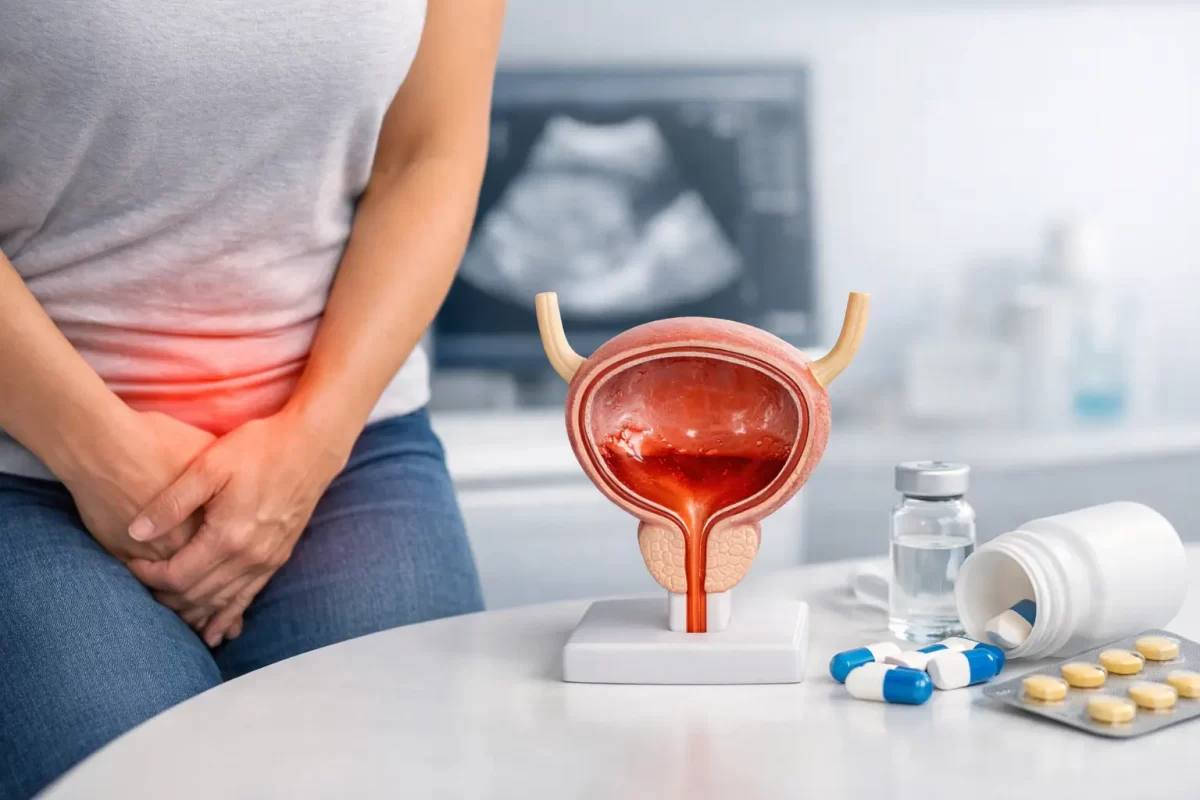
Leaking when you laugh, rushing to the toilet, waking several times a night, or feeling less control during exercise can chip away at confidence faster than most people expect. When patients start looking into the top pelvic floor therapy alternatives, they are usually not chasing a trend – they want something that works, feels manageable, and fits real life.
Pelvic floor weakness is common after childbirth, during menopause, with ageing, after prostate treatment, and in people who live with chronic coughing, constipation, or repeated heavy lifting. The challenge is not only choosing a treatment. It is working out which option is likely to help your specific symptoms, how much effort it requires, and whether it is enough on its own.
What counts as top pelvic floor therapy alternatives?
There is no single best treatment for everyone. The right approach depends on the cause of your symptoms, how severe they are, whether you have already tried Kegels without success, and whether there are contributing issues such as prolapse, post-surgical changes, menopause, or prostate-related weakness.
Some alternatives are conservative and home-based. Others are clinician-guided and use medical technology to stimulate or retrain the pelvic floor more effectively. The key difference is intensity, supervision, and how reliably the muscles are actually being activated.
Pelvic floor exercises at home
Home pelvic floor exercises are usually the first option people try. They are low cost, private, and can help mild symptoms, particularly if weakness has developed gradually or after pregnancy. For some patients, regular and correctly performed exercises improve bladder control and reduce minor leakage.
The problem is technique. Many people are not contracting the right muscles, or they are bearing down instead of lifting through the pelvic floor. Others start with good intentions and stop because they do not notice a change quickly enough. If you have been doing Kegels for months without improvement, the issue may not be motivation. It may be that home exercise alone is not strong enough, targeted enough, or consistent enough for your level of weakness.
This option tends to suit mild symptoms and people who can follow a structured routine. It is less useful when symptoms are moderate to severe, long-standing, or linked to poor muscle awareness.
Physiotherapy and supervised pelvic floor rehabilitation
Pelvic health physiotherapy is one of the more established pelvic floor therapy alternatives, and for many patients it is a sensible next step after failed self-directed exercise. A trained physiotherapist can assess muscle strength, coordination, relaxation, and technique. That matters because some people have weak muscles, while others have overactive or poorly coordinated muscles that need a different approach.
Supervised rehabilitation may include guided exercises, breathing work, bladder training, education, posture advice, and strategies to improve bowel habits and pressure management. It can be very effective, especially when symptoms are picked up early and the patient can attend regularly.
The trade-off is time and effort. Results usually depend on active participation over weeks or months. Some patients also feel uncomfortable with internal assessments, although these are handled professionally and with consent. Physiotherapy can be excellent care, but it is not a quick fix.
Biofeedback devices
Biofeedback aims to help patients identify and train the correct pelvic floor muscles by giving visual or sensory feedback during contractions. In simple terms, it helps answer the question, am I doing this properly?
For patients who struggle to feel the pelvic floor working, biofeedback can improve awareness and confidence. It may be used in a clinic or at home, depending on the device and the treatment plan. In the right setting, it can sharpen technique and make exercise more purposeful.
Its main limitation is that feedback is not the same as strong therapeutic stimulation. It can guide training, but it still relies on the patient producing the contraction. For people with marked weakness, nerve changes, or poor muscle recruitment, awareness alone may not be enough to produce meaningful symptom relief.
Electrical stimulation and device-based therapy
This is where treatment becomes more active. Electrical or electromagnetic stimulation is designed to trigger pelvic floor muscle contractions without relying entirely on the patient to perform them manually. For patients who cannot generate an effective contraction, or who have plateaued with exercise, this can be a major advantage.
Different devices work in different ways. Some use internal probes. Others, such as the EMSELLA chair, use high-intensity focused electromagnetic energy while the patient remains fully clothed and seated. The goal is to stimulate thousands of supramaximal pelvic floor contractions in a session – far beyond what most people can achieve with self-directed exercises.
For the right patient, this can be one of the top pelvic floor therapy alternatives because it is non-invasive, drug-free, and does not require recovery time. It is particularly relevant for urinary incontinence, urgency, pelvic floor weakness, postpartum changes, menopausal support, and some male pelvic floor concerns including post-prostate weakness and certain aspects of erectile function.
That said, device-based treatment should not be treated like a beauty service or casual wellness add-on. Proper screening matters. Not everyone is suitable, and symptom patterns still need medical assessment. A doctor-led clinic model can be valuable here because it helps identify whether the pelvic floor is truly the issue, whether there are red flags, and whether treatment should be combined with other care.
Bladder training and behavioural treatment
Not every bladder problem is purely a strength problem. Some people have urgency and frequency driven by bladder habits, fluid timing, caffeine intake, or a bladder that has become overly sensitive. In those cases, bladder training and behavioural strategies can make a real difference.
This may involve gradually extending the time between toilet visits, reducing bladder irritants, improving hydration patterns, and managing constipation. These changes sound simple, but they can reduce urgency and cut down the cycle of frequent just-in-case trips to the toilet.
Behavioural treatment works best when symptoms are mild to moderate or when paired with muscle-focused therapy. On its own, it may not be enough for people with significant pelvic floor weakness or leakage on coughing, sneezing, and exercise.
Pessaries and mechanical support
For some women, particularly those with pelvic organ prolapse or vaginal laxity contributing to symptoms, a pessary may be recommended. This is a device inserted into the vagina to provide internal support. It can reduce the sense of heaviness, improve comfort, and in some cases help with bladder leakage.
A pessary does not strengthen the pelvic floor, so it is not a direct replacement for rehabilitation. It is more of a support strategy, and it needs proper fitting and follow-up. For the right patient, though, it can improve day-to-day comfort and make exercise or activity more manageable.
Medication
Medication is sometimes used for overactive bladder symptoms such as urgency and frequency. It may reduce bladder spasms or calm signals that trigger sudden urges. Some patients get worthwhile relief, particularly when urgency is their main complaint rather than stress leakage.
The downside is that medication does not rebuild pelvic floor strength. It can also come with side effects, and some patients prefer to avoid long-term tablets if a non-surgical treatment is available. Medication can have a place, but it is not usually the first choice for someone whose main problem is pelvic floor weakness.
Surgery
Surgery sits at the more intensive end of the spectrum and is generally considered when conservative care has failed, symptoms are severe, or there is a structural issue that will not improve with exercises or non-invasive treatment alone. Depending on the condition, surgery may help stress incontinence or prolapse.
It can be effective, but it involves downtime, medical risk, and a recovery period. For many patients, especially those wanting to avoid invasive treatment, surgery is not the first place to start. It is usually a later step rather than one of the immediate top pelvic floor therapy alternatives for mild to moderate symptoms.
How to choose between the top pelvic floor therapy alternatives
A practical way to think about your options is to match the treatment to the problem. If symptoms are mild and recent, supervised exercises or physiotherapy may be enough. If you have tried that and still leak, still rush, or still feel weak, a more advanced device-based option may be more appropriate.
If symptoms began after childbirth, menopause, or prostate treatment, it is worth considering whether muscle weakness is the main driver. If yes, a treatment that creates stronger, more consistent contractions than self-directed Kegels may offer a better chance of progress. If urgency is the main issue, bladder training and targeted assessment may need to sit alongside muscle therapy.
This is also why medical consultation-led care matters. A proper assessment helps separate stress incontinence from urgency, identify prolapse or post-surgical factors, and make sure you are not spending months on the wrong solution.
At Advance Medical Therapies, that doctor-led approach is part of the value. For patients across Greater Melbourne, it means pelvic floor treatment is approached as medical care – not guesswork.
The most useful next step is not to keep putting up with symptoms or hoping they will settle on their own. If bladder leakage, urgency, pelvic floor weakness, or reduced intimacy is affecting your day, the right treatment can change more than a symptom – it can give you back a sense of control.
Ready to take the next step?
Contact our team to arrange your Emsella consultation and discuss your symptoms, goals, and whether Emsella may be appropriate for you.
Located in Melbourne
(03) 8529 2225 | Contact Us