

Top Options for Postpartum Pelvic Recovery
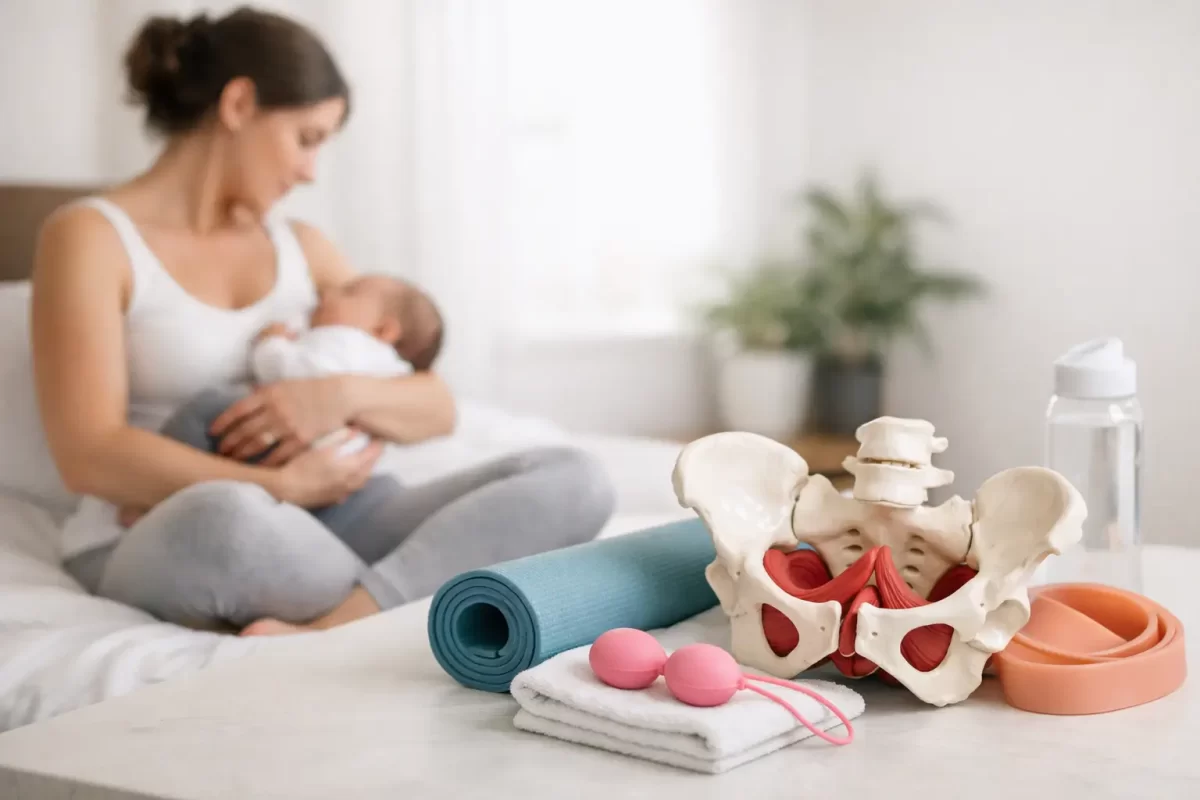
A laugh, a run for the tram, or lifting your baby should not leave you worried about bladder leakage. Yet pelvic floor weakness, urgency, heaviness and reduced confidence are common after pregnancy and birth. Understanding the available options for postpartum pelvic recovery can help you consider care that fits your symptoms, delivery history and daily life.
Postpartum recovery is not one-size-fits-all. Some women notice improvement over the first few months, while others continue to experience leakage, vaginal laxity, difficulty controlling wind or bowel motions, or a sensation of pelvic pressure long after the six-week check. These symptoms can be assessed and managed, and persistent symptoms warrant clinical review.
Why the pelvic floor can feel different after birth
The pelvic floor is a group of muscles, connective tissues and nerves that supports the bladder, bowel and uterus. It also plays a role in bladder and bowel control, sexual sensation and core stability. Pregnancy places sustained load on these tissues, while vaginal birth can stretch or injure muscles and nerves. A caesarean birth avoids vaginal delivery trauma but pregnancy itself can still affect pelvic floor function.
The type of birth matters, but it is not the only factor. Forceps delivery, a long second stage of labour, a large baby, multiple pregnancies, constipation, chronic coughing and returning to high-impact exercise too quickly may all influence recovery. Hormonal changes, particularly while breastfeeding, can also contribute to vaginal dryness and discomfort.
A degree of change can be normal. Persistent symptoms should not be dismissed as the unavoidable price of motherhood.
Options for postpartum pelvic recovery
The appropriate approach depends on whether the main concern is stress incontinence, urgency, prolapse symptoms, pain, reduced vaginal tone or a combination. A proper assessment helps distinguish between a pelvic floor that needs strengthening and one that is tense, painful or poorly coordinated. Those situations need different treatment.
Pelvic floor physiotherapy
Pelvic floor physiotherapy is a commonly used first-line option after birth. A qualified physiotherapist can assess muscle strength, endurance, coordination, breathing patterns, abdominal function and the way you use your body during everyday movements.
Treatment may include internal or external assessment, tailored pelvic floor exercises, manual therapy for scar sensitivity or tight muscles, bladder retraining and guidance on returning to running, gym training or heavy lifting. This may be appropriate where there is pelvic pain, painful sex, prolapse symptoms, diastasis recti or uncertainty about whether a contraction is being performed correctly.
The trade-off is that progress depends on regular appointments and practise between sessions. The programme can be tailored to the individual recovery pattern and symptoms.
A structured home exercise programme
Pelvic floor exercises can help, but generic Kegels downloaded from the internet are not always enough. A correct contraction is a squeeze and lift around the vagina and anus without holding your breath, tightening your buttocks or bearing down. If you are unsure, an assessment is more useful than doing hundreds of repetitions and hoping for the best.
A tailored programme may combine short, quick contractions for coughs and sneezes with longer holds for endurance. Consistency matters more than intensity. Linking exercises to a routine moment, such as feeding your baby or cleaning your teeth, can make them easier to maintain.
However, exercises are not appropriate as a simple strengthening solution for everyone. If you have pain, pelvic heaviness, difficulty relaxing the muscles or worsening symptoms, seek professional advice before increasing repetitions.
Bladder and bowel habits that reduce pressure
Lifestyle measures do not replace treatment for significant pelvic floor dysfunction, but they can reduce strain and support recovery. Avoiding constipation, maintaining appropriate hydration, managing a persistent cough and using appropriate lifting technique may reduce strain on the pelvic floor.
Bladder retraining may help urgency and frequent trips to the toilet. This involves gradually extending the time between bathroom visits, rather than going “just in case” every hour. Caffeine, fizzy drinks and alcohol can aggravate urgency for some people, though complete restriction is not automatically necessary. The aim is to identify your personal triggers without making life unnecessarily restrictive.
If leakage occurs mainly with exercise, coughing or sneezing, a continence pad may offer short-term reassurance. It should not be the only plan if symptoms are ongoing or affecting your confidence.
Medical assessment and conservative devices
A GP or women’s health clinician can assess for conditions that may contribute to symptoms, including urinary tract infection, vaginal tissue changes, prolapse, constipation and medication effects. They can also discuss options such as vaginal moisturisers or local hormonal treatment where dryness and discomfort are present, depending on your circumstances and medical history.
For some women with prolapse or stress incontinence, a pessary may provide support inside the vagina. It can be useful for exercise, for those delaying surgery, or when symptoms need more support than exercises alone can provide. Fitting and follow-up are important, as comfort and effectiveness vary.
EMSELLA pelvic floor treatment
For women who cannot confidently perform pelvic floor contractions, have not improved with unsupervised exercises, or want a clinic-based, non-surgical option, EMSELLA may be worth discussing. The treatment uses high-intensity focused electromagnetic energy while you remain fully clothed and seated in a specialised chair. The technology stimulates repeated high-intensity pelvic floor contractions in a controlled clinical setting.
A session is brief and does not require recovery time. It is intended to support pelvic floor muscle strengthening and may be considered as part of a broader care plan for suitable patients. It is not a substitute for diagnosis, and it will not be the right option for every postpartum symptom.
Suitability should be determined through medical screening. Your clinician needs to consider your delivery and recovery history, current symptoms, implants or devices, pregnancy status, neurological conditions and any red flags requiring a different form of care. At Advance Medical Therapies in South Yarra, EMSELLA treatment is consultation-led and overseen by Dr Shikha Parmar, rather than offered as a generic walk-in service.
Choosing the right postpartum pelvic recovery option
Timing matters. In the early weeks after birth, rest, wound healing, gentle movement and bowel care may be the priority. Once you have medical clearance, a gradual return to exercise can begin. If leakage, pressure or discomfort is present, it is sensible to seek assessment before returning to running, jumping or heavy strength training.
Physiotherapy may be the most appropriate starting point when pain, scar issues, prolapse symptoms or complex movement concerns are involved. A clinician-guided device-based treatment may suit women whose primary concern is weakness or leakage. Depending on assessment, management may combine education and lifestyle measures, physiotherapy and device-based treatment where appropriate.
Persistent or bothersome symptoms can be assessed at different stages after childbirth, including months or years later.
When to seek prompt medical advice
Contact a doctor promptly if you have heavy bleeding, fever, worsening pelvic pain, burning when passing urine, inability to empty your bladder, loss of bowel control, a new vaginal bulge, numbness around the saddle area, or severe emotional distress. These symptoms need timely assessment and should not be managed with pelvic exercises alone.
It is also worth booking a consultation if you are planning another pregnancy, avoiding exercise because of leakage, waking repeatedly with urgency, or withdrawing from intimacy due to discomfort or embarrassment. These concerns affect health and quality of life, not just convenience.
A dignified next step
Postpartum pelvic symptoms can feel deeply personal, but they are medical concerns with practical treatment options. A confidential assessment can clarify what is happening, rule out issues that need different care and give you a realistic pathway forward. If postpartum pelvic symptoms are affecting exercise, daily activities or intimacy, a confidential assessment can clarify the cause and available management options.
Ready to take the next step?
Contact our team to arrange your Emsella consultation and discuss your symptoms, goals, and whether Emsella may be appropriate for you.
Located in Melbourne
(03) 8529 2225 | Contact Us
