

Bladder leakage rarely starts as a big event. More often, it creeps in through small changes – rushing to the toilet more often, waking at night, crossing your legs before a cough, or quietly avoiding exercise and long car trips. For many people, medical device incontinence treatment is appealing because it offers a practical middle ground between doing nothing and moving straight to pads, medication or surgery.
That middle ground matters. Urinary incontinence can affect confidence, sleep, intimacy, work and social life, yet many people still put off care because they feel embarrassed or assume it is just part of ageing, childbirth or prostate problems. It is common, but it is not something you simply have to live with.
What is medical device incontinence treatment?
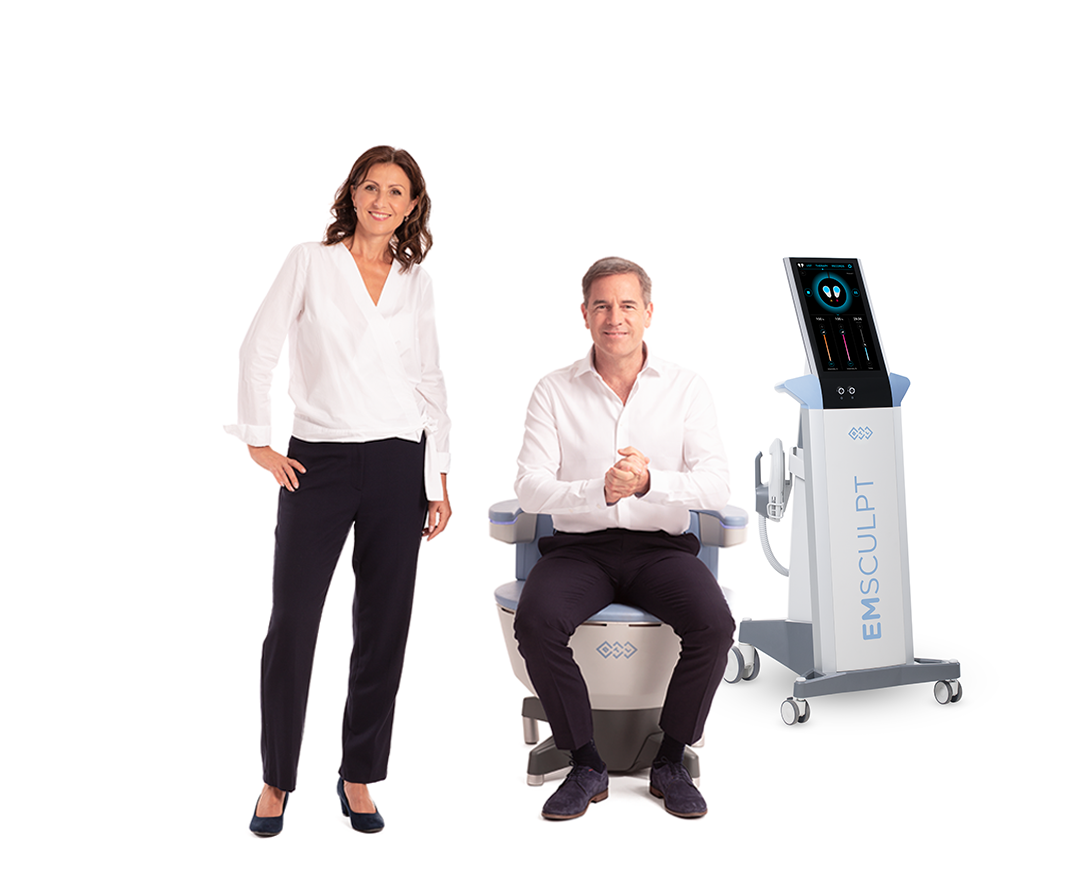
Medical device incontinence treatment refers to clinician-guided care that uses a therapeutic device to improve bladder control and pelvic floor function. In the case of EMSELLA, the treatment uses high-intensity focused electromagnetic energy to stimulate deep pelvic floor muscle contractions while the patient remains fully clothed and seated.
That is a meaningful difference from basic pelvic floor exercises at home. Many people are told to do Kegels, but a large proportion are unsure whether they are engaging the right muscles, doing enough repetitions or maintaining the programme long enough to make a difference. Device-based treatment aims to deliver stronger, more targeted stimulation than most people can achieve on their own.
The pelvic floor is a group of muscles that supports the bladder, bowel and, in women, the uterus. When these muscles weaken, symptoms can follow. Leakage with coughing, sneezing or exercise is common. So is urgency, where the need to urinate feels sudden and hard to control. Some people have a mix of both.
Why pelvic floor weakness causes so many symptoms
Pelvic floor weakness is not only about leakage. It can contribute to urgency, frequency, reduced bladder control during activity, and changes in intimate wellbeing. Women may notice these issues after pregnancy, childbirth or menopause. Men may experience them after prostate surgery or alongside age-related pelvic floor changes.
The reason symptoms vary is that continence relies on coordination, not just strength. The bladder, urethra, pelvic floor and nervous system all need to work together. If support is reduced or muscle activation is poor, the system becomes less reliable. That is why some people leak only when they laugh, while others feel a constant need to find the nearest toilet.
A medically supervised assessment is useful here because not every bladder issue has the same cause. What looks like straightforward incontinence may be affected by fluid habits, constipation, medications, pelvic organ prolapse, prostate history or other health conditions. Good treatment starts with proper screening, not guesswork.
How EMSELLA fits into medical device incontinence treatment
EMSELLA is designed to strengthen the pelvic floor through thousands of supramaximal contractions in a single session. In plain terms, it makes the muscles work far more intensely than most people can manage voluntarily. Over a course of treatment, this can help restore muscle function and improve support around the bladder and urethra.
For patients, one of the main advantages is convenience. There is no internal device, no surgery, no anaesthetic and no recovery time. You sit on the chair for the session, then carry on with your day. For busy adults, that simplicity can make the difference between delaying treatment and actually starting it.
The other advantage is dignity. Incontinence is a sensitive issue, and many people prefer an option that feels discreet, non-invasive and medically grounded. A consultation-led approach matters because it keeps the focus on individual symptoms, realistic expectations and whether the treatment is appropriate in the first place.
Who may benefit from this treatment
Medical device incontinence treatment is often considered by people who want a non-surgical option with minimal disruption to daily life. That includes postpartum women, women going through menopause, adults over 40 who have noticed progressive bladder weakness, and men dealing with post-prostate symptoms or pelvic floor dysfunction.
It may also suit people who have tried pelvic floor exercises without much success. That does not always mean exercises were ineffective. Sometimes the problem is poor technique, inconsistency or muscle weakness severe enough that unsupervised exercise has limited impact. A stronger, device-based intervention can be helpful in those cases.
Still, it is not a one-size-fits-all treatment. Some people need further investigation before starting therapy, especially if they have blood in the urine, recurrent urinary infections, significant pelvic pain or symptoms that suggest another diagnosis. Others may benefit from combining device treatment with lifestyle changes, bladder training or pelvic health physiotherapy.
What results can patients realistically expect?
This is where honesty matters. Most patients do not need promises – they need a clear sense of what improvement might look like.
For some, results mean fewer leaks when exercising, coughing or lifting. For others, it means less urgency, fewer night-time trips to the toilet, or enough confidence to leave the house without planning every stop around bathroom access. Improvements in pelvic floor strength may also support vaginal tone and aspects of sexual function. In men, better pelvic floor function can play a role in confidence and performance, including support in some cases of erectile dysfunction.
The response varies. Severity of symptoms, underlying cause, age, hormonal status, post-surgical history and adherence to the treatment plan all matter. Patients with mild to moderate symptoms often respond differently from those with long-standing or complex incontinence. The goal is meaningful improvement in quality of life, not a blanket claim that every case will resolve completely.
Why clinician-led care makes a difference
There is a growing market for device-based wellness treatments, but incontinence should be approached as a medical concern. That distinction is important.
Clinician-led care means you are assessed for suitability, screened for contraindications, and guided through treatment with a plan based on symptoms rather than marketing language. It also means someone is looking at the whole picture – bladder habits, pelvic floor weakness, medical history, childbirth history, menopause, prostate issues and how long symptoms have been present.
For patients, this tends to create more confidence in the process. You are not simply booking a chair session. You are receiving care that is grounded in medical judgement and aimed at practical symptom relief.
Medical device incontinence treatment versus other options
Compared with pads or liners, device treatment addresses the problem rather than containing it. Compared with medication, it avoids common concerns such as dry mouth, constipation or the wish to stay off tablets if possible. Compared with surgery, it is far less invasive and does not involve downtime.
That said, each option has its place. Pads can be a useful support measure. Medication may help certain urgency symptoms. Surgery may be appropriate for selected cases, particularly when structural support problems are more advanced. Device treatment sits in the space where patients want a stronger intervention than home exercises, but are not ready for or do not require invasive treatment.
This is also why expectations should stay grounded. A non-surgical option can be highly effective, but it is still part of a broader continence care pathway. The best choice depends on the type of incontinence, the severity of symptoms and the patient’s goals.
What to look for in a provider
If you are considering treatment, look for a clinic that treats bladder symptoms as a health issue, not a beauty add-on. Ask whether there is a medical consultation, whether screening is part of the process, and how suitability is assessed. You should feel that your symptoms are being taken seriously and discussed clearly.
It is also reasonable to ask about likely outcomes for your situation, how many sessions are typically recommended, and whether there are circumstances where another treatment would be more appropriate. Good care includes saying no when a patient is not the right fit.
For patients in wider Melbourne, that level of oversight found at Advance Medical Therapies can be especially valuable if you want treatment that is discreet, evidence-based and straightforward to access without navigating a complex referral pathway.
Bladder leakage has a way of shrinking life by degrees. People stop running, stop travelling comfortably, stop sleeping well, stop feeling at ease in their own body. The right treatment does not just target symptoms – it helps restore ordinary confidence, which is often the thing patients miss most.
Ready to take the next step?
Contact our team to arrange your Emsella consultation and discuss your symptoms, goals, and whether Emsella may be appropriate for you.
Located in Melbourne
(03) 8529 2225 | Contact Us