

If kegels not working for incontinence sounds familiar, you are not alone. Many people spend weeks or months trying to squeeze and lift their pelvic floor, only to keep dealing with leaks when they cough, rush to the toilet, laugh, exercise or get through the night. That can feel frustrating, and for some patients, quietly defeating. The key point is this: if symptoms are not improving, it does not automatically mean you have failed. It often means the problem is more complex than a simple exercise handout can address.
Why kegels not working for incontinence is common
Pelvic floor exercises can help, but they are not a guaranteed fix for every type of bladder leakage. Incontinence is a symptom, not a single diagnosis. Stress incontinence, urgency, mixed incontinence, post-prostate leakage, pelvic floor weakness after childbirth, menopausal changes and bladder overactivity can all sit under the same broad complaint.
That matters because the right treatment depends on what is actually driving the leakage. If you are tightening the wrong muscles, doing the exercises inconsistently, or trying to strengthen a pelvic floor that is not just weak but poorly coordinated, kegels may deliver very little. In other cases, the pelvic floor is not the only issue. Hormonal change, nerve injury, chronic straining, previous surgery, enlarged prostate, or tissue laxity can all play a role.
A lot of people are also never properly taught how to do a pelvic floor contraction. They are told to “squeeze” and left to work it out. Some end up bearing down rather than lifting up. Others tighten their glutes, thighs or abdominal wall and assume they are doing it correctly. From a medical point of view, that is one reason unsupervised pelvic floor work can underperform.
The most common reasons Kegels are not working for incontinence
One of the biggest reasons is incorrect technique. Pelvic floor activation is subtle. If you cannot feel a clear lift and hold, or if you are straining, breath-holding or pushing down, the exercise may be ineffective or even counterproductive.
Another common issue is inconsistency. Pelvic floor training usually requires repetition over time. Doing a few squeezes here and there is unlikely to create meaningful change, particularly if symptoms have been present for months or years.
There is also the problem of mismatch. Some patients have an overactive or tight pelvic floor rather than a weak one. In that situation, more squeezing is not always better. A muscle that stays tense but lacks proper control can still contribute to bladder symptoms, pelvic discomfort and sexual dysfunction.
Severity matters too. Mild leakage may respond to exercise alone. More established incontinence, especially after childbirth, menopause, prostate treatment or years of ongoing symptoms, may need a stronger or more targeted approach.
Then there is diagnosis. Frequent urgency, burning, recurrent infections, prolapse, neurological conditions, bowel dysfunction, chronic cough, obesity and certain medications can all affect bladder control. If those factors are not identified, kegels may be treating only part of the picture.
What type of incontinence do you actually have?
Stress incontinence usually means leakage with physical pressure, such as coughing, sneezing, lifting or exercise. This is commonly linked to pelvic floor weakness or reduced support around the urethra.
Urgency incontinence is different. This is the sudden, hard-to-delay urge to pass urine, often with leakage before you reach the toilet. The pelvic floor still matters, but urgency may also involve bladder overactivity and trigger patterns that simple strengthening alone does not fully address.
Mixed incontinence includes both. This is extremely common, especially in women after pregnancy or around menopause, and in older adults. Men may also develop leakage after prostate surgery or due to prostate-related bladder changes.
When treatment is based on the wrong assumption, progress is slow. That is why medical assessment matters. A proper consultation can help determine whether the issue is weakness, coordination, nerve involvement, hormonal change, post-surgical dysfunction or a combination.
When DIY pelvic floor exercises reach their limit
There is a place for home exercises. They are low risk, private and easy to start. But there is also a point where persistence becomes delay. If you have been doing pelvic floor exercises correctly for several weeks without noticeable improvement, it is reasonable to look at a more structured treatment plan.
That is particularly true if leakage is affecting sleep, exercise, intimacy, travelling, work or confidence. It also applies if you are wearing pads regularly, mapping out toilet stops wherever you go, or avoiding social situations because of urgency or odour anxiety. These are not minor inconveniences. They are quality-of-life issues, and they deserve proper care.
For some patients, the barrier is physical. They simply cannot generate an effective pelvic floor contraction on their own. That can happen after childbirth, with age-related muscle change, following prostate treatment, or when the muscle is very deconditioned. In those cases, asking the body to do more of what it cannot yet do well is not always the best strategy.
What to do when kegels not working for incontinence becomes the pattern
The next step is not to give up. It is to get assessed properly. A clinician-led review can clarify the likely type of incontinence, identify contributing factors and recommend whether conservative treatment, device-based pelvic floor therapy or a broader management plan is most appropriate.
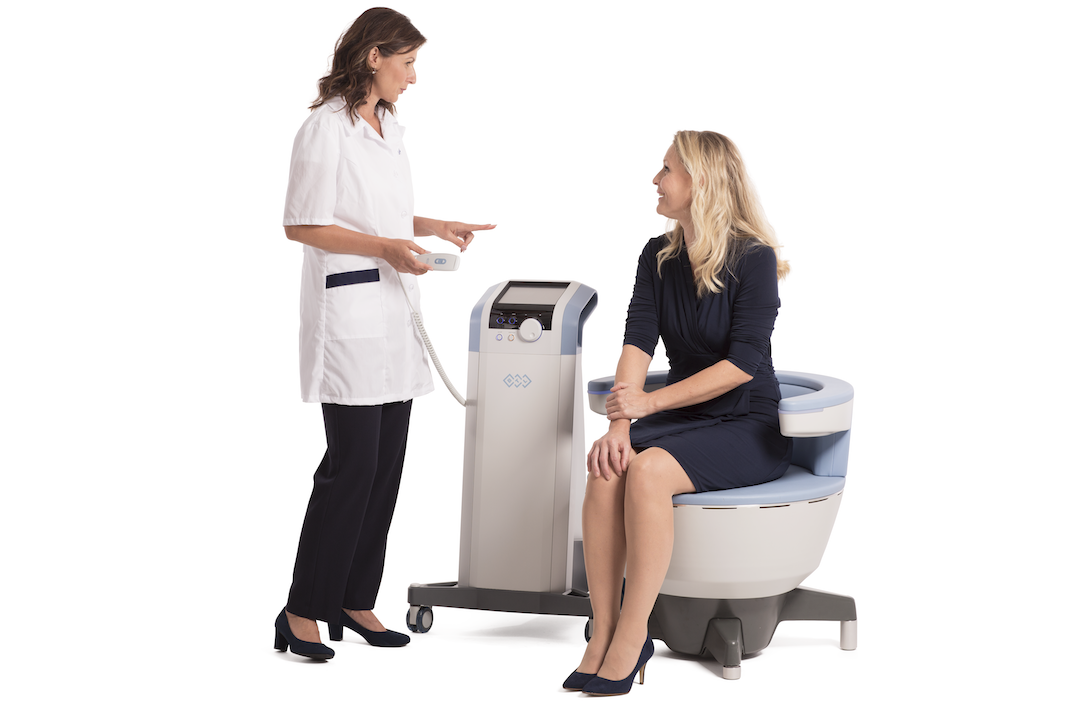
For patients who want a non-surgical and drug-free option, high-intensity electromagnetic pelvic floor therapy has become an important development. The EMSELLA chair is designed to stimulate thousands of supramaximal pelvic floor contractions in a single session while the patient remains fully clothed and seated. The aim is to strengthen and re-educate the pelvic floor far beyond what many people can achieve with unsupervised exercises alone.
This approach can be particularly relevant for people who know what kegels are supposed to do but have not been able to get results from them. It offers intensity, consistency and clinician-guided structure, which are often the missing pieces.
How clinician-guided treatment changes the picture
Medical oversight matters because not every patient is suitable for the same treatment, and not every pelvic floor symptom should be managed in isolation. Screening helps rule out issues that need separate attention, while also making sure treatment is matched to the patient rather than to a generic symptom.
A doctor-led clinic can also speak more directly to the concerns patients often hesitate to raise. That includes postpartum weakness, menopausal changes, pelvic floor laxity, reduced sexual satisfaction, and for men, leakage after prostate procedures or erectile concerns linked to pelvic floor dysfunction. These problems are common, but they should not be minimised.
At Advance Medical Therapies, the emphasis is on consultation-led care rather than a one-size-fits-all wellness model. That distinction is important for patients who want discretion, medical credibility and a practical treatment plan built around real symptoms.
What results should you realistically expect?
The honest answer is that it depends. Some patients notice a reduction in leakage and urgency within a few sessions. Others improve more gradually, especially if symptoms are longstanding or mixed. The goal is usually better bladder control, fewer accidents, stronger pelvic floor function and greater confidence in daily life.
Treatment is not magic, and it is not identical for everyone. Some people still benefit from combining therapy with bladder habit changes, weight management, bowel care or pelvic health physiotherapy. But if standard kegels have not worked, that does not mean nothing will. It often means you need a more effective way to activate and retrain the muscle system involved.
Signs it is time to seek help
If you are leaking weekly, wearing pads regularly, waking multiple times overnight with urgency, or limiting exercise because of bladder control, it is worth getting advice. The same applies if symptoms started after childbirth, around menopause, after prostate surgery, or have become more noticeable with age.
Many people wait too long because they assume leakage is normal after having children or just part of getting older. It may be common, but common is not the same as acceptable. Effective treatment exists, and the earlier the problem is assessed, the easier it can be to address.
Bladder leakage has a way of shrinking life quietly. People stop running, stop laughing freely, stop sitting through a film, stop sleeping well, or stop feeling comfortable in their own body. If that is happening to you, the next step does not have to be more guesswork. It can be a proper assessment, a clearer answer and a treatment plan that matches the problem you actually have.
Ready to take the next step?
Contact our team to arrange your Emsella consultation and discuss your symptoms, goals, and whether Emsella may be appropriate for you.
Located in Melbourne
(03) 8529 2225 | Contact Us