

A Guide to Pelvic Health After Prostate Treatment
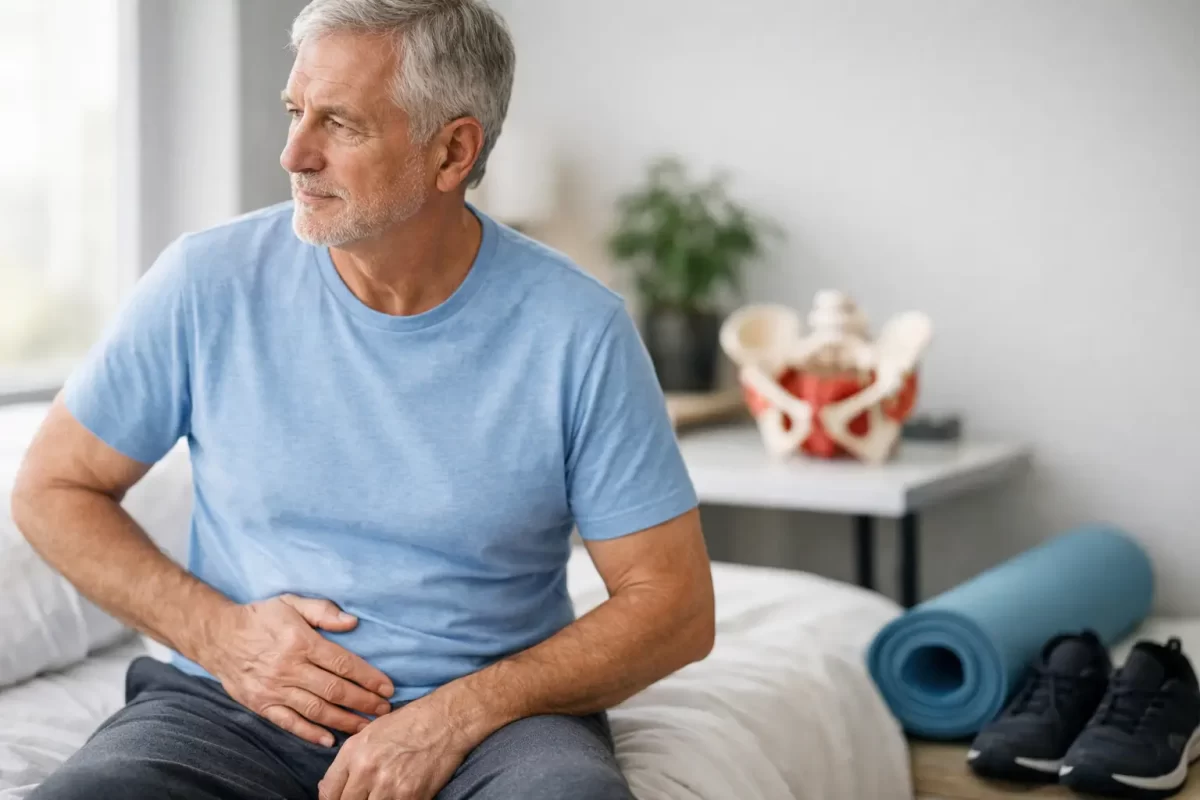
After prostate treatment, a small amount of urine leakage can feel like a major loss of freedom. You may plan outings around toilets, stop exercising, wake repeatedly overnight, or feel less comfortable being intimate. This guide to pelvic health after prostate treatment explains what recovery can look like, what deserves medical attention, and the practical treatment options that may be considered.
Why prostate treatment can affect pelvic health
The prostate sits beneath the bladder and surrounds part of the urethra, the tube that carries urine out of the body. Treatment for prostate cancer or benign prostate enlargement can affect the muscles, nerves and tissues involved in bladder control and sexual function.
After a radical prostatectomy, urinary incontinence is particularly common in the early recovery period. The procedure can change the support around the urethra, while the pelvic floor muscles may need time and targeted rehabilitation to take on more of the work of keeping the bladder closed. Some men leak when they cough, stand up, lift, walk quickly or exercise. This is known as stress urinary incontinence.
Radiotherapy can produce a different pattern. It may irritate the bladder and surrounding tissues, causing urgency, frequency, burning or leakage on the way to the toilet. Hormone therapy can also affect energy, body composition, libido and sexual function, which can influence confidence and pelvic health in less obvious ways.
Recovery varies. The type of treatment, your bladder function beforehand, age, other health conditions and the extent of surgery all matter. There is no value in comparing your progress with someone else’s. However, ongoing symptoms should not simply be accepted as the price of treatment.
The first step: know what your symptoms are telling you
Keeping a short bladder diary for three days can provide useful information for a medical consultation. Record when you drink, how often you urinate, whether leakage occurs, what you were doing at the time, and how many pads you use. This can help distinguish stress leakage from urgency-related leakage, or reveal that both are present.
Also consider what has changed beyond bladder control. Pelvic health after prostate treatment can include bowel habits, pelvic discomfort, erectile function, orgasm changes, sleep quality and confidence in social situations. These issues are connected. Poor sleep can make urgency harder to manage; anxiety about leakage can lead people to restrict fluids too aggressively; and avoiding intimacy can place pressure on a relationship.
Speak with your treating specialist or GP promptly if you have blood in the urine, fever, severe pelvic pain, difficulty passing urine, a weak stream that is worsening, recurrent urinary tract infections, or new bowel changes. These symptoms need assessment rather than self-management.
Build pelvic floor strength with the right technique
The pelvic floor is a group of muscles that supports the bladder and bowel, contributes to urinary control and plays a role in sexual function. After prostate treatment, these muscles often need structured retraining.
A common mistake is to tighten the buttocks, thighs or stomach while holding the breath. A correct pelvic floor contraction is more subtle: imagine gently shortening the penis and lifting the muscles around the anus, without straining. You should still be able to breathe normally. It is also important to relax fully between contractions. Muscles that stay tense can contribute to discomfort and do not necessarily produce better continence.
Pelvic floor exercises may be appropriate, particularly when taught and reviewed by a suitably trained clinician. The challenge is consistency and correct form. If you are doing unsupervised Kegels with little change after several weeks, it does not mean you have failed. It may mean your technique, exercise dose or underlying bladder pattern needs reassessment.
A continence physiotherapist can tailor a programme to your symptoms and stage of recovery. For some men, supervised pelvic floor exercise may be an appropriate first-line option. For others, particularly those finding it hard to activate the muscles effectively, clinician-guided device-based therapy may be considered alongside exercise.
A practical guide to pelvic health after prostate treatment
Daily habits cannot address every cause of incontinence, but some measures may reduce bladder irritation and support rehabilitation. Start with fluid intake. Cutting back excessively can concentrate urine, irritate the bladder and contribute to constipation. Instead, aim for regular fluids across the day, unless your doctor has given you a specific fluid restriction.
Caffeine, alcohol, fizzy drinks and artificial sweeteners can aggravate urgency for some people. You do not necessarily need to avoid them forever. Trial reducing one trigger at a time and observe whether your symptoms change. Constipation also places extra pressure on the pelvic floor, so regular fibre, fluids and movement are useful parts of bladder care.
Plan ahead without letting continence dictate your life. Use the toilet before a longer walk, meeting or drive, but avoid “just in case” trips every few minutes, which can train the bladder to signal urgency at low volumes. If you leak on effort, practise a gentle pelvic floor contraction before coughing, standing or lifting. This is often called “the knack”.
A healthy weight, regular walking and gradual return to strength training can support overall recovery. The key word is gradual. High-impact exercise, heavy lifting and cycling may need to be modified while symptoms are significant. Your clinician can advise when and how to progress safely.
Intimacy deserves a place in recovery
Erectile dysfunction, reduced libido, climacturia – leakage during orgasm – and changes in orgasm are common concerns after prostate treatment. They can be difficult to raise, even with a partner. Yet they are legitimate medical and quality-of-life issues, not something you should be expected to manage alone.
Nerve recovery after prostate surgery can take time, and outcomes depend on the treatment performed and function before treatment. Your urologist may discuss options such as oral medication, vacuum erection devices, injections or a penile rehabilitation plan. Pelvic floor rehabilitation may be considered as part of management for erectile function or climacturia in some men, with outcomes varying between individuals.
Clear communication can reduce the pressure that often surrounds intimacy after treatment. Choose a calm time to talk with your partner, not the moment symptoms occur. Intimacy may need to be broader than intercourse while recovery is underway. This is not a lesser version of your relationship. It is a practical way to stay connected while your body heals.
When additional treatment may help
If leakage remains bothersome despite guided exercises and lifestyle changes, ask for a thorough review. The right next step depends on whether the main problem is stress incontinence, urgency, incomplete emptying, scar tissue, infection or a combination of factors.
Some men benefit from bladder retraining, medication for overactive bladder symptoms or specialist continence physiotherapy. For persistent stress incontinence after prostate surgery, a urologist may discuss surgical options such as a male sling or artificial urinary sphincter. These are significant decisions that require individual assessment.
Non-invasive pelvic floor stimulation may also be an option for appropriately screened patients. EMSELLA uses high-intensity focused electromagnetic technology to stimulate pelvic floor muscle contractions while you remain fully clothed and seated. It is not a replacement for medical diagnosis, and it is not suitable for everyone, particularly people with certain implanted medical devices or other contraindications. A doctor-led assessment is essential to determine whether it fits your history, symptoms and treatment goals.
At Advance Medical Therapies in South Yarra, the assessment-led approach is intended to match pelvic floor treatment to the individual’s symptoms, history and treatment goals.
Give recovery a plan, not just time
Continence may improve over time following prostate treatment and rehabilitation, but the timing and degree of recovery vary between individuals. A chest infection, constipation, a long day on your feet or a return to exercise can temporarily worsen leakage. Temporary symptom fluctuations do not necessarily indicate that the overall treatment plan is ineffective.
Set meaningful goals that go beyond pad numbers. Perhaps you want to sleep through the night more often, walk around the Tan without scouting toilets, attend a family event with less anxiety, or feel comfortable initiating intimacy again. These goals can help you and your clinician assess whether the plan is meeting your priorities and whether it needs adjustment.
You have already dealt with the physical and emotional demands of prostate treatment. Asking for help with bladder control or sexual wellbeing is a practical step towards assessment and appropriate management during recovery.
Ready to take the next step?
Contact our team to arrange your Emsella consultation and discuss your symptoms, goals, and whether Emsella may be appropriate for you.
Located in Melbourne
(03) 8529 2225 | Contact Us
