

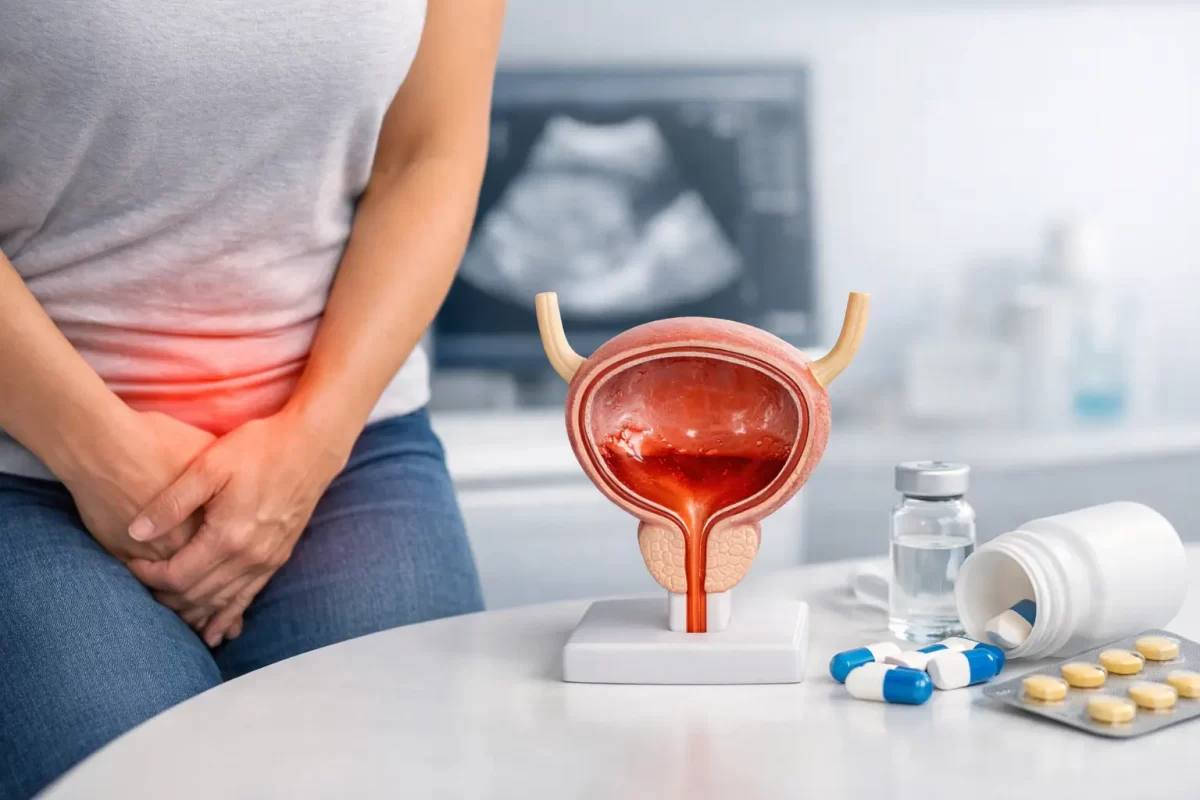
That sudden, hard-to-ignore need to find a toilet is not just inconvenient. For many people, it starts shaping the day around bathroom access, interrupts sleep, affects work and exercise, and chips away at confidence. When patients ask about the best treatments for bladder urgency, they usually want one clear answer. In practice, the right treatment depends on why the urgency is happening, how severe it is, and whether there is also leakage, pelvic floor weakness, childbirth history, menopause, prostate treatment, or other bladder symptoms in the picture.
Bladder urgency is a symptom, not a diagnosis on its own. It describes the feeling that you need to pass urine immediately, often with little warning. Some people make it to the toilet but feel anxious about being caught out. Others experience urgency with leakage, known as urge incontinence. It can happen on its own or as part of overactive bladder. The common thread is that the bladder is signalling too strongly, too often, or at the wrong time.
What causes bladder urgency?
A few different mechanisms can drive urgency. In some people, the bladder muscle becomes overactive and contracts before the bladder is actually full. In others, the pelvic floor is weak and no longer supporting bladder control as effectively as it should. Hormonal changes after menopause can contribute. Pregnancy and childbirth can stretch and weaken pelvic floor structures. Men may notice urgency after prostate enlargement, prostate treatment, or pelvic surgery. Constipation, excess caffeine, certain medications, urinary tract infections, and neurological conditions can also make symptoms worse.
This is why self-diagnosing rarely works well. Two people can describe the same symptom, yet need very different treatment plans. One may improve with fluid changes and training. Another may need pelvic floor rehabilitation. A third may require further medical investigation to rule out infection, prolapse, or a more serious underlying issue.
Best treatments for bladder urgency: what actually helps?
The best treatments for bladder urgency are usually layered, not one-size-fits-all. Good care starts with identifying the cause and matching treatment to the pattern of symptoms.
Bladder training
Bladder training is often a first-line treatment, especially when urgency and frequency are the main problems. The aim is to retrain the bladder to hold urine for longer without triggering a false alarm. This usually involves gradually increasing the time between toilet visits rather than going “just in case” every hour.
Done properly, bladder training can reduce urgency episodes and help restore confidence. The challenge is that it requires consistency and patience. Many people start with good intentions but find it hard to stick to without guidance, especially if they have been rushing to the toilet for months or years.
Pelvic floor muscle treatment
Pelvic floor weakness is frequently overlooked in people with urgency. If the pelvic floor is not providing enough support or coordinating well with the bladder, urgency can feel more intense and harder to control. This is particularly relevant after childbirth, during menopause, and after prostate procedures.
Pelvic floor exercises can help, but technique matters. A lot of people are either doing them incorrectly or not generating enough muscle contraction to make a real difference. That is one reason some patients say they have “tried Kegels” without success.
In a clinical setting, pelvic floor treatment is usually more effective because it is assessed, supervised, and adjusted to the individual. For suitable patients, non-invasive high-intensity electromagnetic treatment can stimulate thousands of supramaximal pelvic floor contractions in a single session. The EMSELLA chair is one example of this type of treatment. It is designed to strengthen the pelvic floor without surgery or medication, and it can be particularly useful for patients who want a practical option that fits into normal life.
This approach is not a replacement for medical assessment. It works best when used as part of a consultation-led treatment plan, especially where urgency is linked with incontinence, postpartum change, menopausal pelvic floor decline, or post-prostate weakness.
Lifestyle and dietary changes
Sometimes the bladder is being irritated every day by habits that seem minor but add up quickly. Caffeine, alcohol, fizzy drinks, acidic drinks, artificial sweeteners, and low or excessive fluid intake can all worsen urgency in some people. Constipation is another common contributor because a full bowel can place pressure on the bladder.
Lifestyle changes can be surprisingly effective, but they are rarely the full answer when symptoms are more established. Cutting back on coffee may reduce irritation, but it will not correct a weak pelvic floor. Drinking less water may seem logical, but for some people it makes urine more concentrated and more irritating. The detail matters, which is why tailored advice tends to work better than generic online tips.
Medication
Medication can help some patients with overactive bladder by calming bladder muscle activity. For the right person, it can reduce frequency and urgency enough to improve daily function. But medication is not ideal for everyone.
The trade-off is side effects. Dry mouth, constipation, blurred vision, and other unwanted effects can limit long-term use. Some people also prefer to avoid ongoing medication if a non-drug option is available. In older adults, the balance of benefit and risk needs especially careful review.
Treating menopause-related changes
For menopausal women, bladder urgency may be influenced by reduced oestrogen affecting the tissues of the lower urinary tract and vagina. In those cases, local hormonal treatment may form part of care, alongside pelvic floor strengthening and bladder training.
This is a good example of why urgency should not be treated as one simple problem. If menopause is playing a role, the best result often comes from addressing both tissue change and muscle support rather than focusing on only one.
Medical review for underlying conditions
Not all urgency is benign. Blood in the urine, pain, recurrent infections, difficulty emptying the bladder, or sudden major changes in bladder habits need prompt medical review. Men with prostate symptoms and women with prolapse symptoms may need more targeted assessment. Neurological disease, diabetes, and some medications can also affect bladder control.
A medical consultation helps sort out who is likely to benefit from conservative treatment and who needs further investigation first.
When non-surgical treatment makes the most sense
Many patients are looking for something effective that does not involve surgery, pads forever, or a long rehabilitation process. That is where guided, non-invasive treatment can be especially valuable. For people who are busy, embarrassed about symptoms, or frustrated after trying exercises on their own, a structured treatment plan is often the turning point.
Non-surgical pelvic floor therapy is particularly relevant when urgency comes with leakage, reduced pelvic floor strength, postpartum change, menopausal symptoms, or loss of confidence in social and intimate settings. It is also appealing for men dealing with bladder control changes after prostate treatment who want a medically guided option.
What matters is patient selection. The best results come when treatment is based on assessment rather than sold as a generic wellness session. A doctor-led clinic can screen for red flags, confirm suitability, and set realistic expectations. Some patients improve quickly. Others need a broader plan that includes bladder training, fluid advice, bowel management, and follow-up.
How to choose the best treatment for bladder urgency
If urgency is occasional and mild, lifestyle changes and bladder training may be enough. If it is persistent, waking you at night, causing leakage, or affecting your work, travel, exercise, or intimacy, it is worth seeking proper assessment.
In general, the best treatment is the one that matches the cause and that you are actually likely to complete. A medication only works while you take it. Exercises only work if done correctly and consistently. Device-based pelvic floor treatment can be highly appealing because it is non-invasive and time-efficient, but it still needs to be part of medically appropriate care.
For patients in Greater Melbourne who want a discreet, consultation-led approach, a clinic such as Advance Medical Therapies may be worth considering because it combines medical screening with non-surgical pelvic floor treatment rather than treating bladder symptoms as a cosmetic or retail service.
There is also the quality-of-life question. Some people downplay urgency because they are not having major accidents. But if you are planning car trips around toilets, waking multiple times a night, avoiding exercise classes, or feeling tense every time you hear running water, the problem is already significant enough to address.
Bladder urgency is common, but it should not be dismissed as something you simply put up with because of age, childbirth, or prostate issues. The right treatment can restore control, sleep, confidence, and day-to-day freedom. If your bladder is dictating your routine, that is a good reason to stop guessing and start with a proper assessment.
Ready to take the next step?
Contact our team to arrange your Emsella consultation and discuss your symptoms, goals, and whether Emsella may be appropriate for you.
Located in Melbourne
(03) 8529 2225 | Contact Us