

Best Nonsurgical Options for Weak Pelvic Floor
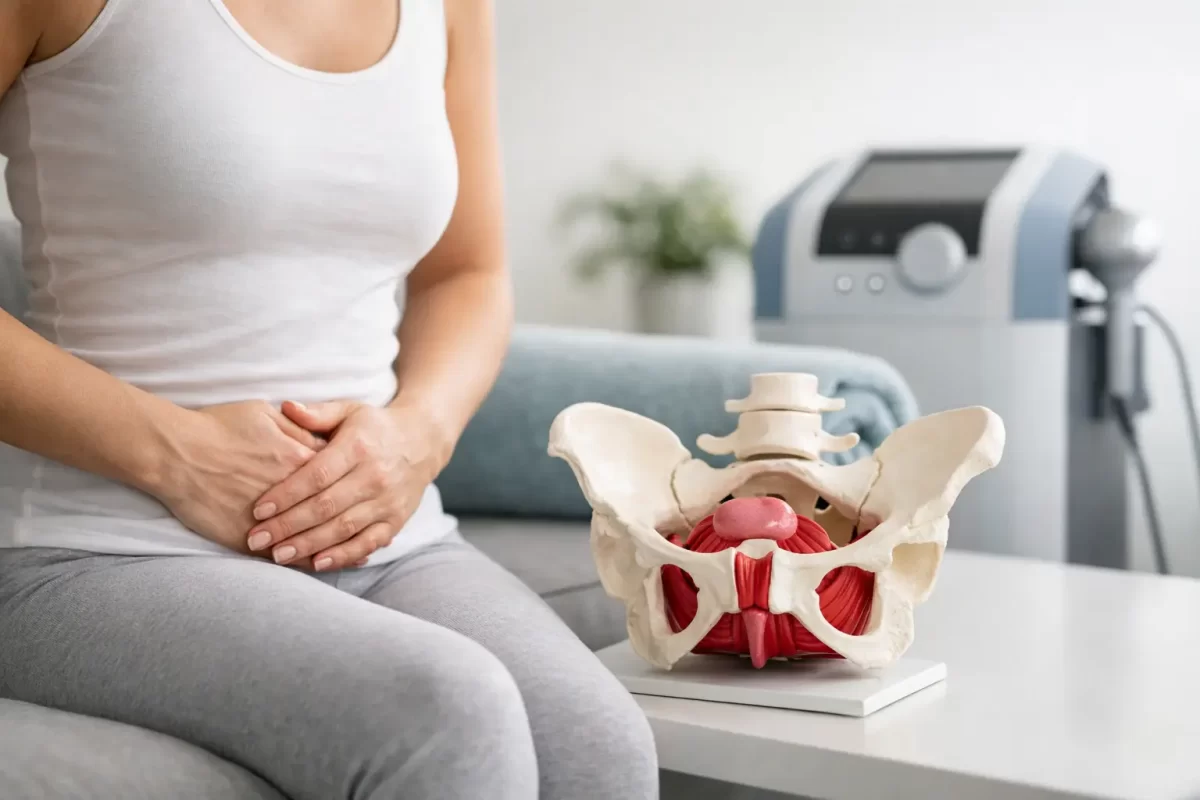
Leaking when you laugh, rushing to the toilet, or feeling less control than you used to can quietly shape your whole day. If you are looking for the best nonsurgical options for weak pelvic floor, the right answer depends on why the muscles have weakened, how severe your symptoms are, and whether you have already tried exercises without much success.
A weak pelvic floor is common after pregnancy, through menopause, with ageing, after prostate treatment, and in people living with chronic coughing, constipation, or repeated heavy lifting. It can lead to urinary incontinence, urgency, reduced core support, and changes in sexual function. The good news is that surgery is not the starting point for most people. There are non-invasive treatment options that may improve pelvic floor function, bladder control and quality of life for suitable patients.
What a weak pelvic floor can feel like
Pelvic floor weakness does not always announce itself in obvious ways. For some people, it shows up as small leaks when they cough, exercise, or stand up quickly. Others notice a sudden urge to urinate, difficulty holding on, or needing to go more often during the day and night.
Women may also describe a sense of vaginal laxity or reduced sensation. Men may notice changes after prostate surgery, including post-operative leakage or reduced confidence around bladder control. Some people feel a general heaviness in the pelvis or a loss of support through the lower abdomen.
These symptoms are often brushed off as part of getting older or something to put up with after childbirth. They are common, but they are not something you simply have to accept.
The best nonsurgical options for weak pelvic floor
The appropriate approach may involve more than one treatment. It is a plan built around the cause of the weakness, the symptoms that matter most to you, and what is realistic in daily life.
Pelvic floor muscle training
Pelvic floor exercises are still one of the first options for mild to moderate weakness. When done correctly and consistently, they can help improve bladder control and muscle support. The problem is that many people are not actually contracting the right muscles, or they do the exercises inconsistently and then assume they do not work.
This is where guidance matters. A supervised program can provide guidance on technique, timing, breathing and progression. Technique, timing, breathing, and progression all make a difference. For some patients, especially after childbirth or surgery, the muscles are so weak that a proper contraction is difficult to achieve at first.
Pelvic floor training is low risk and worthwhile, but it also requires patience. Results can take weeks to months, and outcomes are often limited if the exercises are done incorrectly or not done often enough.
Bladder retraining and lifestyle changes
If urgency and frequency are part of the picture, bladder retraining can be helpful. This involves gradually increasing the time between toilet visits and reducing habits that make the bladder more reactive. It sounds simple, but for the right patient it can reduce disruption and improve confidence.
Lifestyle changes can also support treatment. Managing constipation, reducing excess caffeine, addressing chronic cough, and improving weight distribution through movement and posture can all reduce strain on the pelvic floor. These changes are not glamorous, and they may form part of a broader treatment plan when symptoms are more established.
Physiotherapy-led pelvic floor rehabilitation
Pelvic health physiotherapy can be an appropriate option, especially when symptoms are linked to childbirth, prolapse, post-surgical recovery, or poor muscle coordination. A trained clinician can assess how the muscles are functioning, whether they are weak, overactive, or poorly coordinated, and tailor treatment accordingly.
This is important because not every pelvic floor problem is caused by simple weakness. Some people have muscles that are tight and fatigued rather than truly underactive. In those cases, more squeezing is not always the answer.
Physiotherapy is especially useful for people who want one-to-one support and are prepared to commit to a treatment plan over time. The trade-off is convenience. Appointments, home exercises, and regular follow-up require effort, and not everyone wants a longer rehabilitation process.
Pessaries and supportive devices
For some women, particularly those with symptoms of pelvic organ prolapse or support-related discomfort, a pessary may help. This is a removable device placed in the vagina to provide support to the pelvic structures.
A pessary does not strengthen the pelvic floor itself, but it can improve symptoms and reduce the feeling of pressure or bulging. It may be used while someone continues pelvic floor rehabilitation or as an alternative to surgery when surgery is not wanted or not appropriate.
This option manages support-related symptoms rather than strengthening the pelvic floor itself, and its suitability depends on the individual clinical picture.
Device-based treatment such as EMSELLA
For patients who have tried Kegels without sufficient improvement, device-based treatment may be another non-surgical option to consider. EMSELLA is a non-invasive chair-based treatment designed to stimulate the pelvic floor muscles using high-intensity focused electromagnetic energy.
In practical terms, this means the muscles contract thousands of times during a session through repeated high-intensity stimulation in a controlled clinical setting. The treatment is done fully clothed, with no internal devices, no surgery, and no downtime.
This option can be particularly appealing for people who want treatment that fits into a busy routine. Sessions are brief, and there is no recovery period. For women, EMSELLA may help with stress incontinence, urgency, pelvic floor weakness, and vaginal tone. For men, it may support bladder control and can play a role in intimate wellness concerns, including some cases of erectile dysfunction linked to pelvic floor weakness.
The key point is that this should not be treated like a beauty add-on or a generic wellness service. Proper screening matters. Not every patient is suitable, and symptoms should be medically assessed first to rule out other causes. A consultation-led approach gives the treatment more value because it places the technology within a proper clinical plan.
How to choose the right option
The best nonsurgical option for weak pelvic floor depends on what you are dealing with day to day. If symptoms are mild and recent, supervised pelvic floor training may be a sensible first step. If there is urgency, frequency, or behavioural triggers, bladder retraining may also help.
If symptoms have persisted despite home exercises, or if you struggle to engage the muscles effectively, a device-based or other clinician-guided treatment may be considered. This is often the point where patients feel frustrated. They have done the exercises, bought the pads, changed their routines, and still do not feel in control. At that stage, other non-invasive options may be considered after assessment.
If there is prolapse, pain, previous pelvic surgery, or post-prostate issues, a tailored assessment becomes even more important. The pelvic floor is not one-size-fits-all medicine.
When to seek medical assessment
You should not self-diagnose pelvic floor weakness if symptoms are new, worsening, or affecting your confidence and sleep. Leakage, urgency, and pelvic heaviness can have overlapping causes. Sometimes the issue is mainly muscular. Sometimes it involves hormonal change, bladder irritation, nerve changes, prolapse, or post-surgical recovery.
A doctor-led assessment can help identify the likely cause, the severity, and the most appropriate treatment path. This is particularly valuable for men with bladder control issues after prostate procedures, postpartum women whose symptoms are not improving, and women around menopause noticing worsening urgency or laxity.
At a clinic such as Advance Medical Therapies in South Yarra, that consultation process can help determine whether a non-invasive treatment like EMSELLA is suitable, or whether a different management plan makes more sense. That kind of screening can help determine whether the proposed treatment is appropriate.
What results can you realistically expect?
Most people want a simple promise, but the honest answer is that results vary. Symptom improvement depends on the underlying cause, how long the problem has been present, and which treatment is used. Targeted exercise may be appropriate for mild weakness, while more established symptoms may require a different or more structured approach.
With non-surgical treatment, the goal is usually meaningful improvement rather than overnight perfection. That might mean fewer leaks, less urgency, fewer night-time trips to the toilet, improved confidence during exercise, or better intimacy. These changes may improve quality of life even when symptoms are not completely resolved.
Treatment should be appropriately matched to the patient’s symptoms, diagnosis and circumstances, not from the cheapest or fastest option advertised online.
Pelvic floor problems can be deeply personal, and a range of treatment options may be available. If your symptoms are changing how you work, sleep, exercise, travel, or feel in your own body, that is reason enough to stop putting it off and start looking at solutions that are both medically sound and practical to live with.
Ready to take the next step?
Contact our team to arrange your Emsella consultation and discuss your symptoms, goals, and whether Emsella may be appropriate for you.
Located in Melbourne
(03) 8529 2225 | Contact Us
